
- Home
- Stucco Cement That Cures Strong
Stucco Cement That Cures Strong
Most cracking in cement stucco is decided at the mixing board and in the first days after application. We pay attention to the mix and the cure because that is where a durable wall begins.
- Portland cement plaster
- Washed, graded sand
- Lime for workability
- Moist cured

Request a consultation & estimate
Residential or commercial. We’ll get back to you to set up an evaluation.
We never share your information. Prefer to talk? Call (888) 592-1304.
What goes into a stucco mix
Cement stucco is a plaster of portland cement, sand, water and usually hydrated lime. The cement is the binder. Sand makes up most of the volume and controls shrinkage, so it needs to be clean and well graded, with a range of grain sizes that pack tightly. Lime makes the mix creamier on the trowel, helps it stick to the wall and adds a little flexibility once it hardens. Many crews now use pre-blended stucco cements that carry the lime and other additives in the bag, plus fibers in the base coats.
The amount of water is where things go wrong. Extra water makes stucco easier to spread but weaker and more prone to shrinkage cracks as it dries. Too little and it will not grip the lath or the coat below.
Then the cure. Cement gains strength by reacting with water over days, not by drying out. In Georgia sun and wind, a wall that dries too fast cracks early. Read how the layers come together on hard coat stucco systems and stucco base coat.
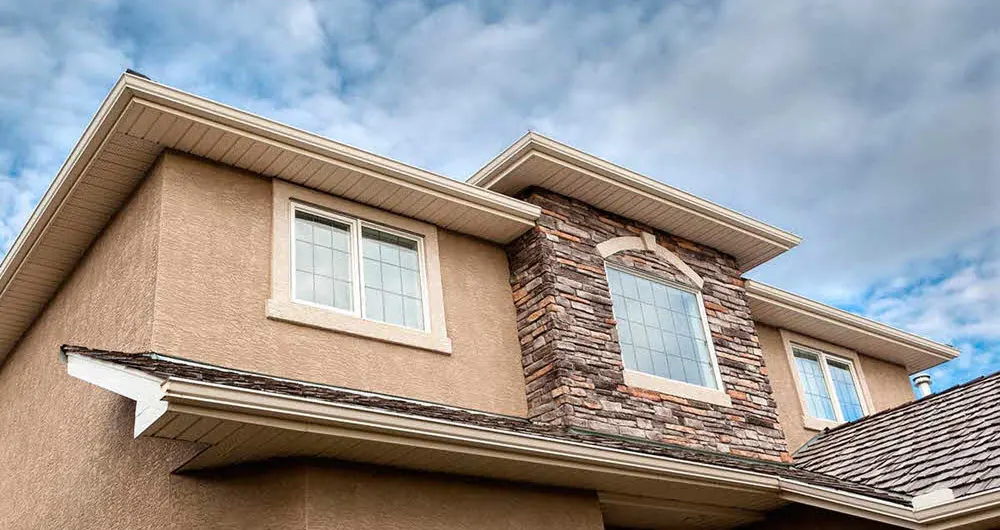
How mix and cure cause cracks
These are the material mistakes we find when we investigate cracked cement stucco.
Too much water
A wet, soupy mix is easy to spread but shrinks more and ends up weaker and more porous.
Drying too fast
Sun, wind and heat pull water out before the cement can cure, leaving map cracking and a dusty surface.
Poor sand
Dirty or single-size sand needs more cement and water and gives a weaker, crack-prone coat.
Coats rushed
Putting the next coat on before the one below has cured traps shrinkage and weakens the bond.
Mixed too long or too late
Retempering stucco that has started to set by adding water breaks the early bonds and lowers strength.
Wrong patch material
Patching cement stucco with a mismatched product leaves a repair that moves and absorbs water differently.
Often paired with this work
Most wall problems involve more than one part of the envelope.

Stucco
Stucco is a family of wall systems, not a single product.
Learn more
Stucco Contractor
Plenty of crews can trowel a finish coat.
Learn more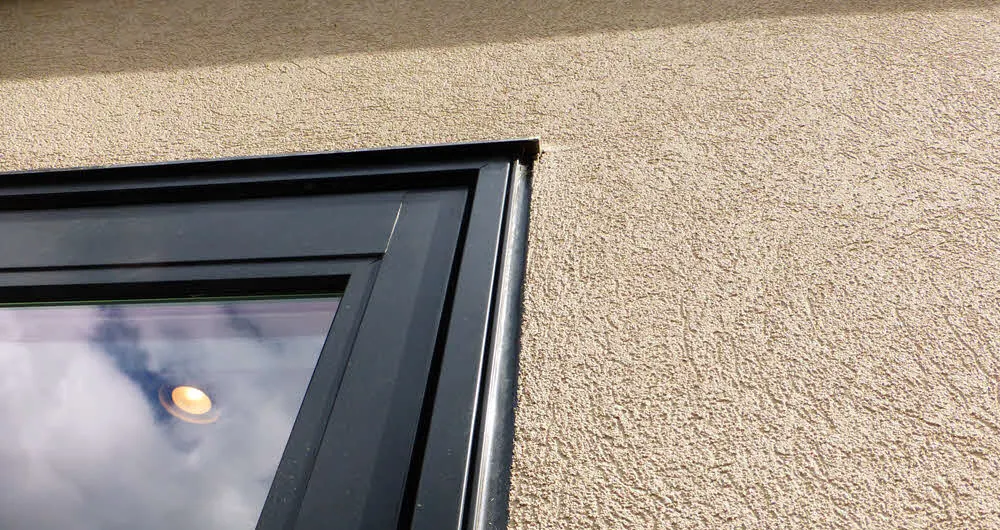
Hard Coat Stucco
Three-coat portland cement stucco is the original masonry finish: dense, durable and solid to the knock.
Learn more
Traditional Stucco Finish
The finish coat is the part of a stucco wall everyone sees.
Learn more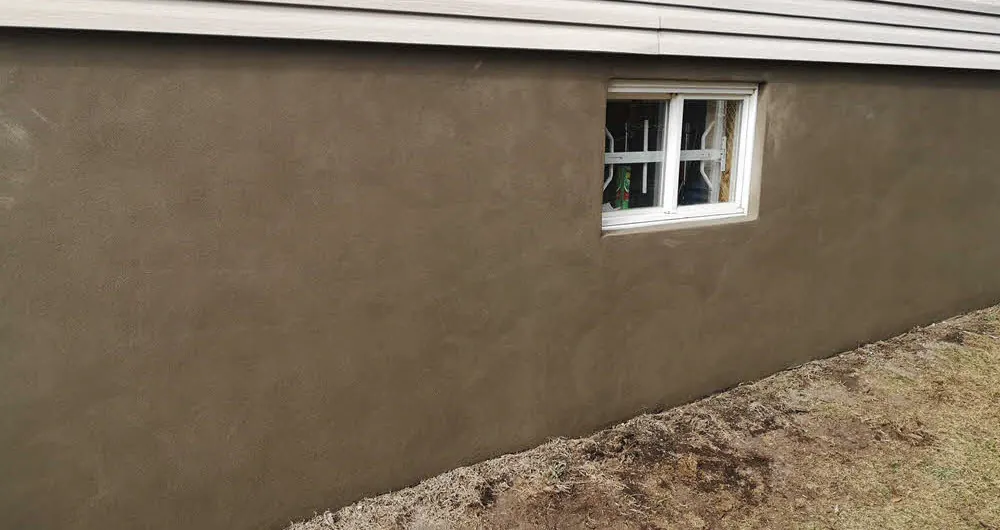
Stucco Base Coat
The base coat is the body of any stucco or EIFS wall.
Learn more
Stucco Mesh & Lath
Reinforcement is buried inside the wall, so nobody sees it until cracks appear.
Learn moreJob-mixed or pre-blended stucco
Stucco can be mixed on site from cement, lime and sand, or from bagged products that only need sand or water. Pre-blended stucco gives more consistent results from batch to batch and often includes fibers and workability additives. Job-mixed plaster lets us adjust for matching older walls, especially lime-rich historic stucco.
Either way, the product data and the manufacturer’s specification set the proportions, and we follow them rather than improvising. For matching new work to an existing finish, see traditional stucco finishes.
| Approach | Best use | Watch for |
|---|---|---|
| Pre-blended base coat | New walls, most repairs | Correct water amount |
| Job-mixed cement-lime | Older and historic walls | Consistent proportions |
| Fiber-reinforced base | Base coats over lath | Full lath embedment |
| Finish coat blend | Texture and color coat | Matching the wall |
Mixing and curing the way it should be
Good stucco is less about secret recipes and more about doing the same simple things every batch.
Select materials
We choose cement, lime, sand or pre-blended products to suit the wall, the substrate and the finish you want.
- Products matched to substrate
- Clean graded sand
- Specification followed
Mix consistently
Batches are measured, mixed for the right time and used while fresh, with water kept to what the mix needs.
- Measured batches
- No retempering
- Workable, not soupy
Cure with care
We mist coats as needed, protect them from direct sun and wind, and wait the right time before the next layer.
- Moist curing
- Weather watched
- Cure times respected
Cracks in fairly new stucco?
We can look at the pattern and tell you whether it points to mix, cure or framing movement.
What our customers say
Homeowners and long-time commercial clients on working with ASR.
“ASR has repaired the bulk of our recent new home that was wrought damaged stucco, termite, water, and mold damage. They completely transformed our home from the inside and out, providing consistent communication and quality craftsmanship.”

“Each and every person has a positive attitude that is projected with every task, duty and responsibility. The team did a terrific job on safety, maintenance and housekeeping, in addition to applying their craft(s).”
“Great attention to detail and workmanship. Really appreciate the effort to carefully caulk all stucco penetrations and amazingly good job of matching the stucco color since I had the stucco painted 5 years before.”
Stucco cement questions
Material questions from homeowners, builders and facility managers.
Is stucco the same as concrete or mortar?
What is lime used for in stucco?
Why do you mist new stucco with water?
Can I patch cement stucco with a bagged product from the store?
Talk to us about your stucco project
New wall or repair, we will choose the right materials and give them the cure they need.
Request a consultation & estimate
Homeowners and commercial clients alike: tell us about the property and what you are seeing.
- Call(888) 592-1304
- E-mailinfo@advstucco.com
- Headquarters138 Mountain Brook Dr, Canton, GA 30115
- HoursMon–Fri 8:30 am – 5:30 pm
Send us your project details
Residential or commercial. We’ll get back to you to set up an evaluation.
We never share your information. Prefer to talk? Call (888) 592-1304.