- Home
- Traditional Stucco Finishes, Done by Hand
Traditional Stucco Finishes, Done by Hand
The finish coat is the part of a stucco wall everyone sees. We apply cement-based finishes in classic textures and match the ones already on older homes and buildings, so new work reads as part of the original wall.
- Sand, float & dash
- Smooth troweled finishes
- Lime & acrylic coats
- Older finishes matched

Request a consultation & estimate
Residential or commercial. We’ll get back to you to set up an evaluation.
We never share your information. Prefer to talk? Call (888) 592-1304.
Texture is made by the tool and the hand
A traditional stucco finish is a thin cement-based coat over the brown coat, and its look comes almost entirely from how it is worked. A sponge or rubber float pulls up sand grains for a fine, even surface. A wood float leaves a coarser, swirled face. A dash finish is thrown onto the wall with a brush or machine and left rough, while a smooth finish is troweled hard and tight, often in more than one pass.
The aggregate matters as much as the tool. The size and shape of the sand set how coarse the face can be, and the cement and pigment set the base color. On older walls there may be several layers of paint over the original finish, which changes how a new patch has to be built.
We work these finishes on new hard coat walls and on repairs, and we blend color with custom pigment and aggregate. See stucco textures for the broader range and stucco patching for small blended repairs.
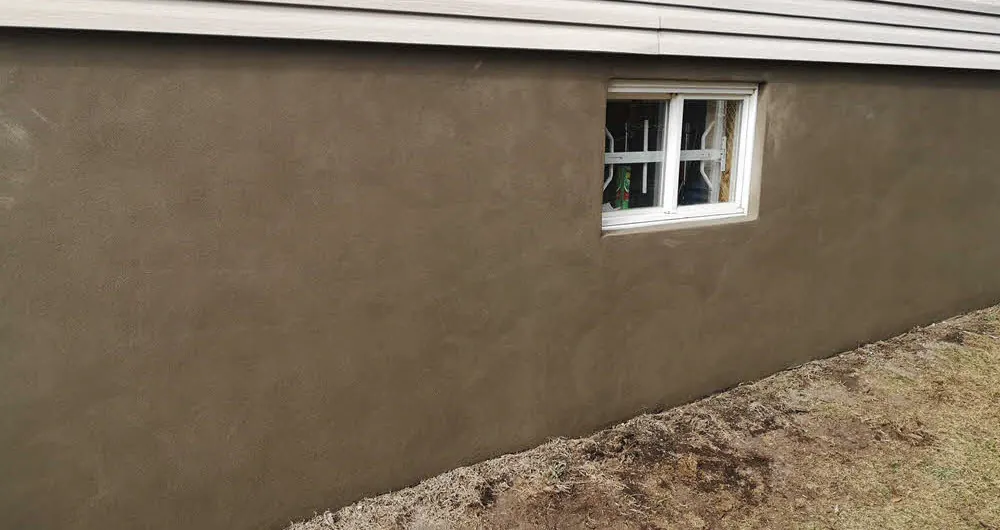
Four traditional stucco textures
Each one is chosen for looks, but each also behaves differently when it ages or needs repair.
Sand finish
Fine, uniform grain floated with a sponge; clean and modern, and it shows trowel marks if rushed.
Float finish
A coarser, slightly swirled face from a wood or plastic float; forgiving on wide walls.
Dash finish
Mortar thrown onto the wall and left rough; hides minor flaws and has a strong shadow pattern.
Smooth finish
Troweled tight for a near-plaster look; beautiful, but the hardest texture to patch invisibly.
Often paired with this work
Most wall problems involve more than one part of the envelope.
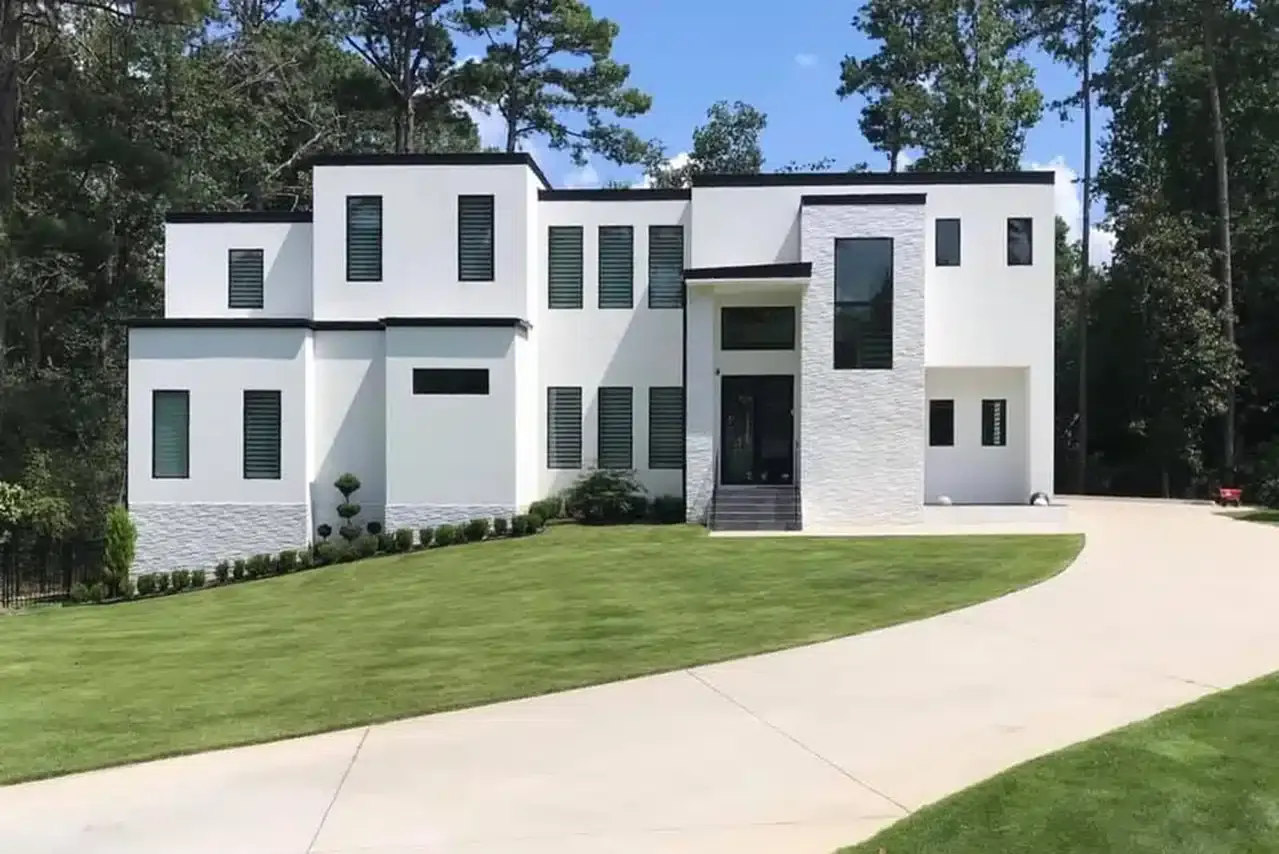
Stucco
Stucco is a family of wall systems, not a single product.
Learn more
Stucco Contractor
Plenty of crews can trowel a finish coat.
Learn more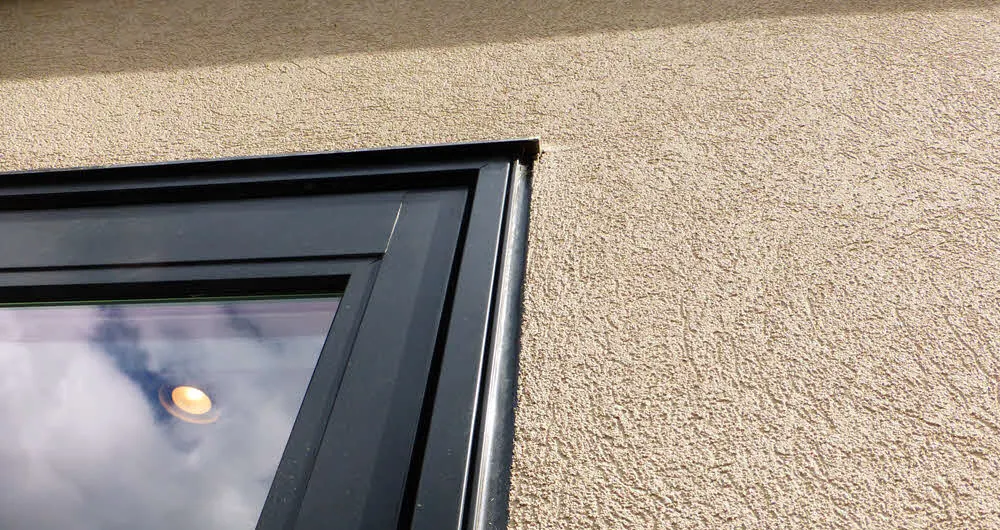
Hard Coat Stucco
Three-coat portland cement stucco is the original masonry finish: dense, durable and solid to the knock.
Learn more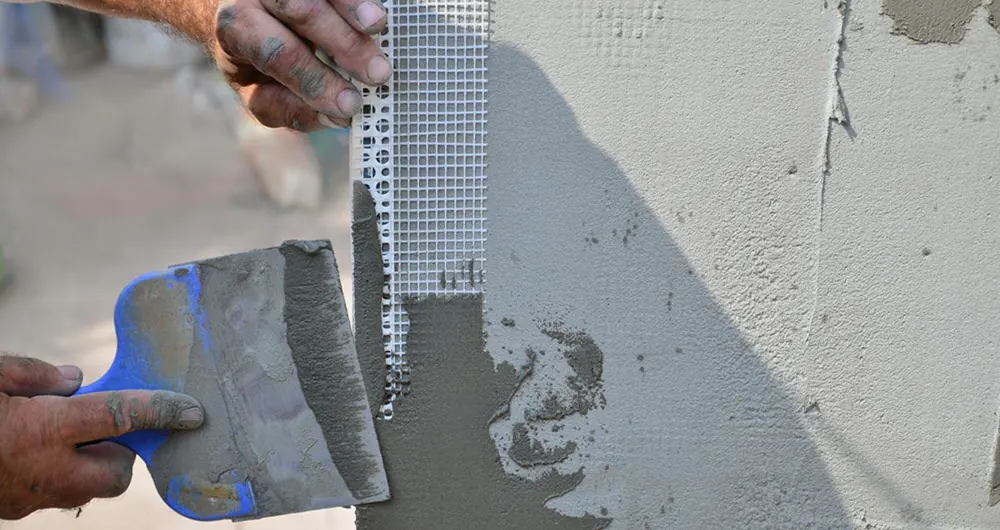
Stucco Cement
Most cracking in cement stucco is decided at the mixing board and in the first days after application.
Learn moreStucco Base Coat
The base coat is the body of any stucco or EIFS wall.
Learn more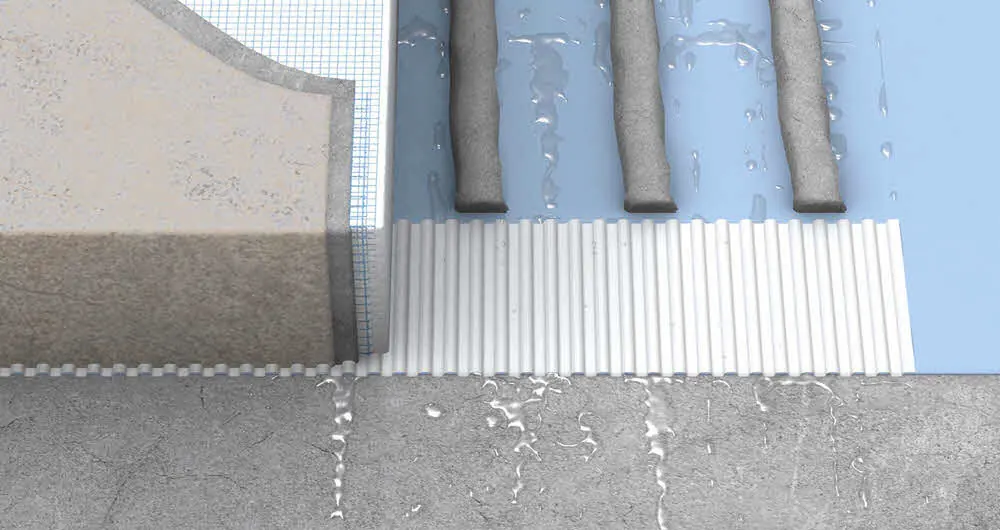
Stucco Mesh & Lath
Reinforcement is buried inside the wall, so nobody sees it until cracks appear.
Learn moreCement, lime or acrylic finish
Traditional finishes are cement and lime based. They breathe, take integral color and develop a soft, mineral look as they weather, but they can show hairline cracks and uneven color. Lime-rich finishes are softer and more flexible, which suits older buildings. Acrylic finishes go on over the same base coats and offer brighter color, more flexibility and a tighter surface, at the cost of some breathability.
On an existing wall we usually match what is there. If you are refinishing a whole elevation, we explain how each choice will age before you pick one. For coatings over finished stucco, see stucco paint.
| Finish coat | Strength | Trade-off |
|---|---|---|
| Cement finish | Durable, integral color | Hairlines, color variation |
| Lime-rich finish | Breathable, flexible | Softer surface |
| Acrylic finish | Bright color, flexible | Less breathable |
| Paint over cement | Easy color change | Needs repainting |
How we match an older stucco finish
Matching is a sequence of small decisions made on site, not a color chip picked from a book.
Read the wall
We study the existing texture, grain size, tool marks and any paint layers, and look at how the wall has weathered.
- Texture and tool noted
- Aggregate compared
- Paint layers checked
Blend & sample
We blend pigment and aggregate and apply small samples on the wall so they can be compared in daylight once dry.
- Custom pigment blend
- Samples on site
- Checked when cured
Apply & feather
The finish goes on with the same tool and motion as the original and is feathered to a natural break line.
- Matched technique
- Break at corners or joints
- Final review with you
What our customers say
Homeowners and long-time commercial clients on working with ASR.
“For over 10 years we have relied on ASR for all our stucco repair needs, but as well, for a number of other water intrusion related solutions. Their leadership are responsive and have trained their technicians well.”

“A quality honest contractor is hard to come by – I’d use ASR for anything I could.”
“Outstanding results and very professional in every aspect during the construction and painting work done. Excellent follow-up by the President to ensure satisfaction during and after the job was completed.”
Stucco finish questions
Common questions about traditional textures and finish coats.
Which stucco texture is easiest to maintain?
Can you match the texture on my 1960s stucco house?
Should I choose a cement or acrylic finish coat?
Why does my new stucco finish look blotchy?
Get a finish that fits the wall
Tell us about the texture you have or want. We will sample it on site before the full finish goes on.
Request a consultation & estimate
Homeowners and commercial clients alike: tell us about the property and what you are seeing.
- Call(888) 592-1304
- E-mailinfo@advstucco.com
- Headquarters138 Mountain Brook Dr, Canton, GA 30115
- HoursMon–Fri 8:30 am – 5:30 pm
Send us your project details
Residential or commercial. We’ll get back to you to set up an evaluation.
We never share your information. Prefer to talk? Call (888) 592-1304.