
- Home
- A Stucco Patch You Can't Find
A Stucco Patch You Can't Find
The hard part of patching stucco is not filling the damage. It is making the repaired spot read as part of the wall from every angle and in every light. That comes down to texture, aggregate, color and where the patch ends.
- Hand-matched texture
- Custom pigment & aggregate
- Clean break lines
- Patch or recoat advice

Request a consultation & estimate
Residential or commercial. We’ll get back to you to set up an evaluation.
We never share your information. Prefer to talk? Call (888) 592-1304.
Why most patches stand out
You have probably seen it: a square of slightly different stucco on an otherwise even wall, visible from the curb. The patch might be perfectly sound. It shows because the texture was troweled differently, the sand was a different size, the color came from a stock bucket or the edges were feathered into a halo that catches low sun.
We treat matching as its own task. Before finishing, we study the existing texture up close, note the grain of the sand and the way the original crew moved the float, and mix finish with custom pigment and aggregate to suit. Where possible we test on a sample board and check it against the wall in daylight. We also choose where the patch ends, carrying it to a corner, a control joint or a trim line so the eye has no edge to catch.
Matching works on homes and commercial buildings alike. Read more about textures on stucco textures, and if the wall needs more than a patch, see stucco resurfacing.
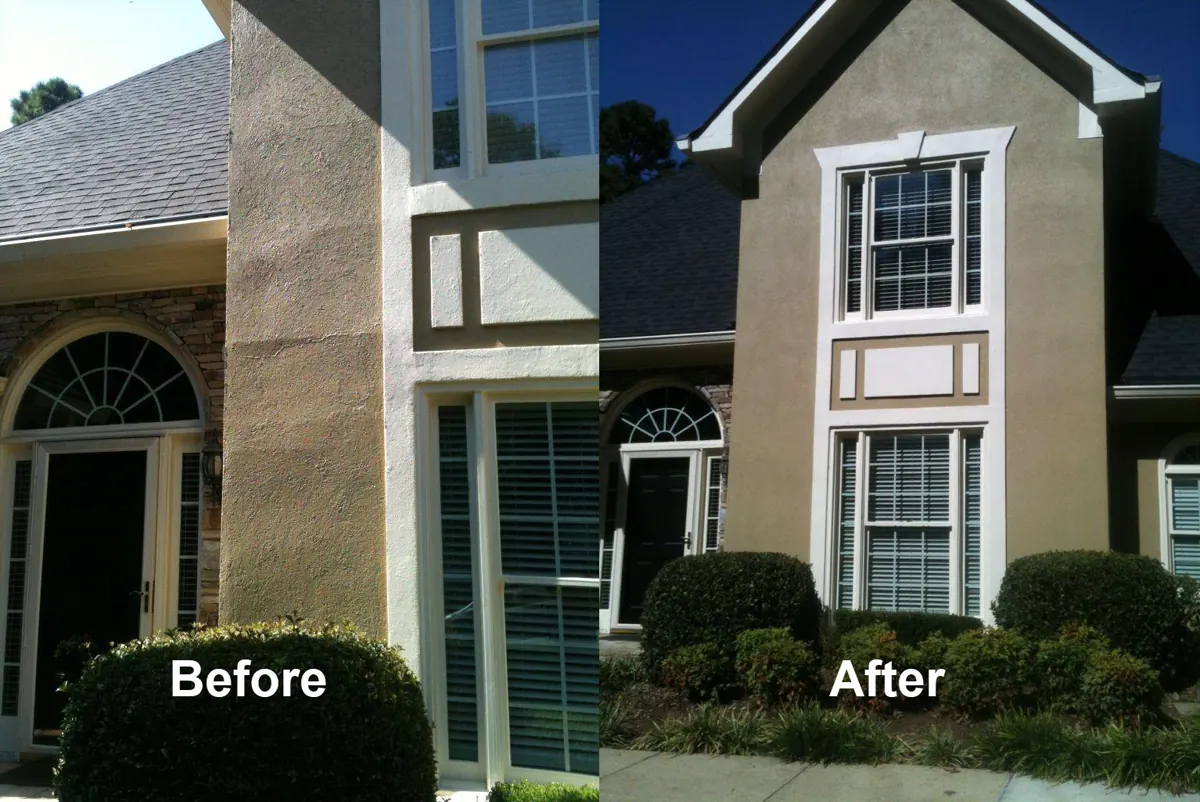
Six details we match by hand
Get all six right and a patch disappears; miss one and it shows from the street.
Texture pattern
Sand, float, lace and dash finishes each have a rhythm set by the tool and hand; we reproduce the original motion.
Aggregate size
The grain in the finish casts tiny shadows, so we pick aggregate that matches the original coarseness.
Color & fading
We tint to the wall as it looks today, after years of sun, not to the color it was when new.
Break lines
Patches are carried to a corner, joint or trim edge where possible, so there is no lone square in mid-wall.
Sheen & suction
Fresh material absorbs and reflects light differently, which can show even when the color is right.
Sound substrate
A beautiful patch over wet sheathing will stain within a season, so the wall behind is checked first.
Often paired with this work
Most wall problems involve more than one part of the envelope.
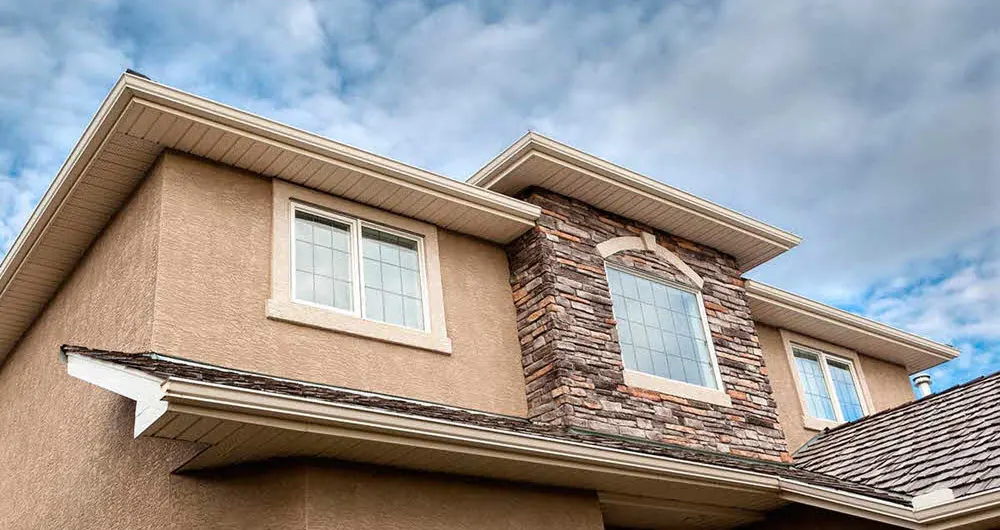
Stucco Repair
A crack or a stain is usually the visible end of a water problem.
Learn more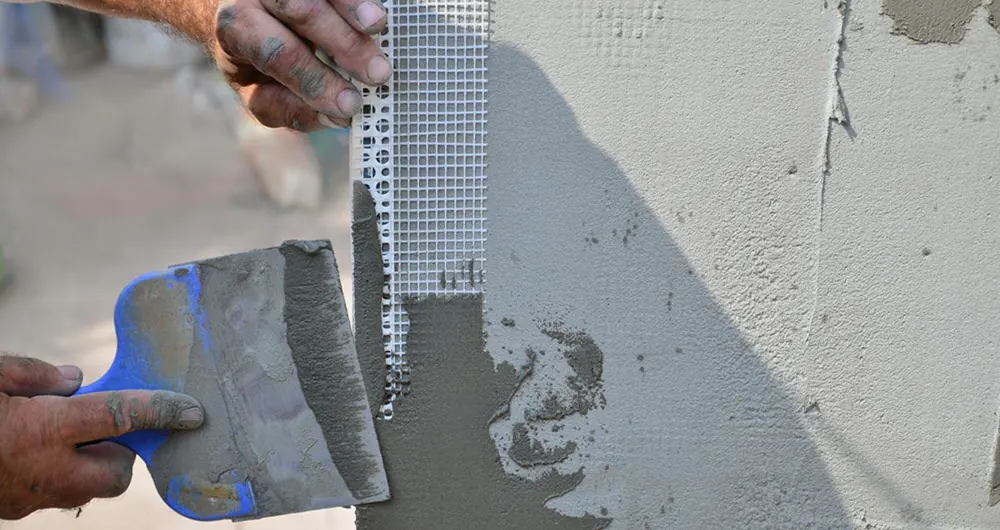
Repair Stucco
A stucco wall is a stack of layers, and a repair only lasts when every layer is put back.
Learn more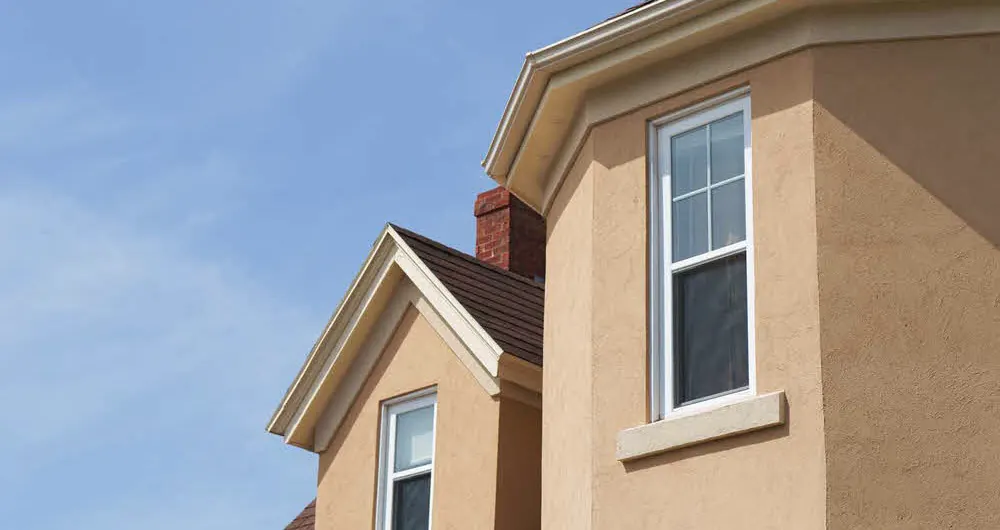
Fixing Stucco
Some stucco damage is small enough to handle with a tube and a putty knife.
Learn more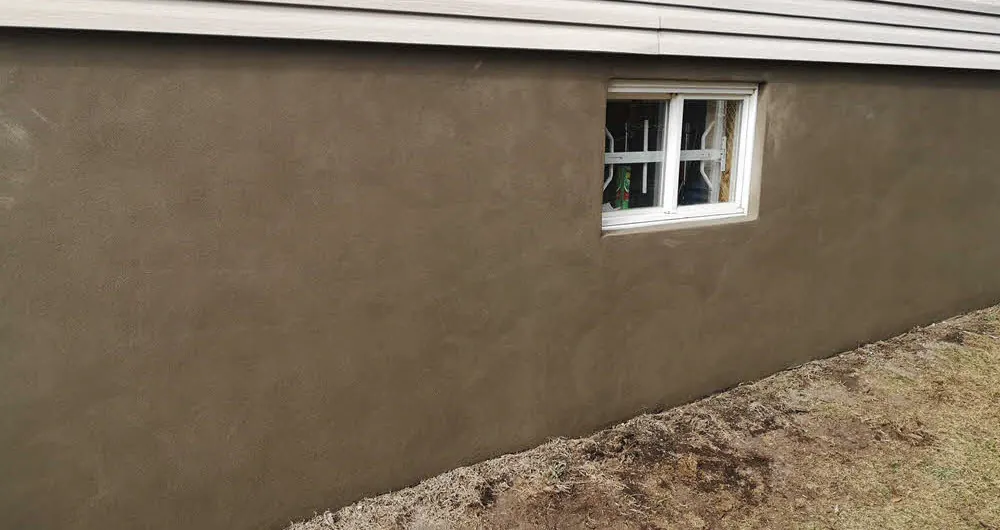
Fix Stucco Cracks
Not every crack in stucco is a problem, but the ones that are rarely fix themselves.
Learn more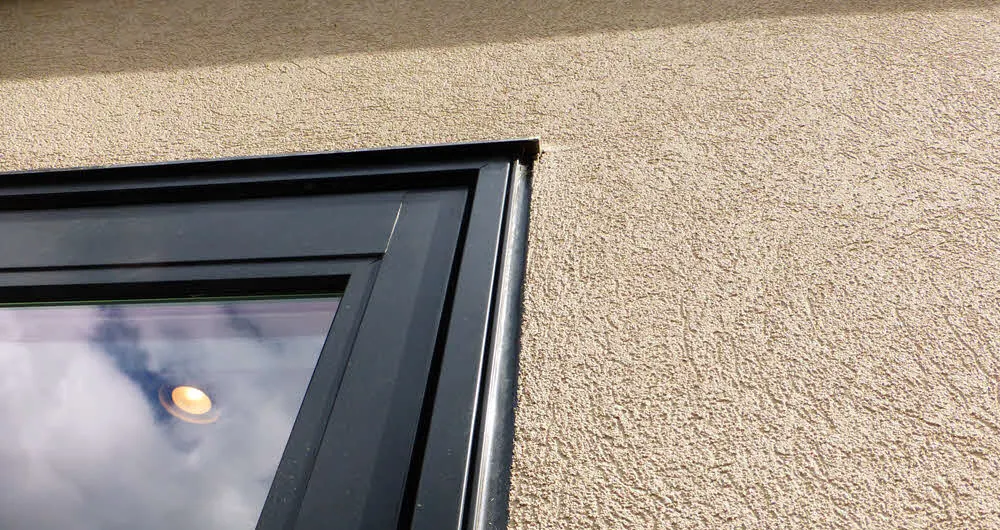
Fill Stucco Holes
Every fixture that comes off a stucco wall leaves fastener holes, a hole for wiring and often a shadow of the old outline.
Learn more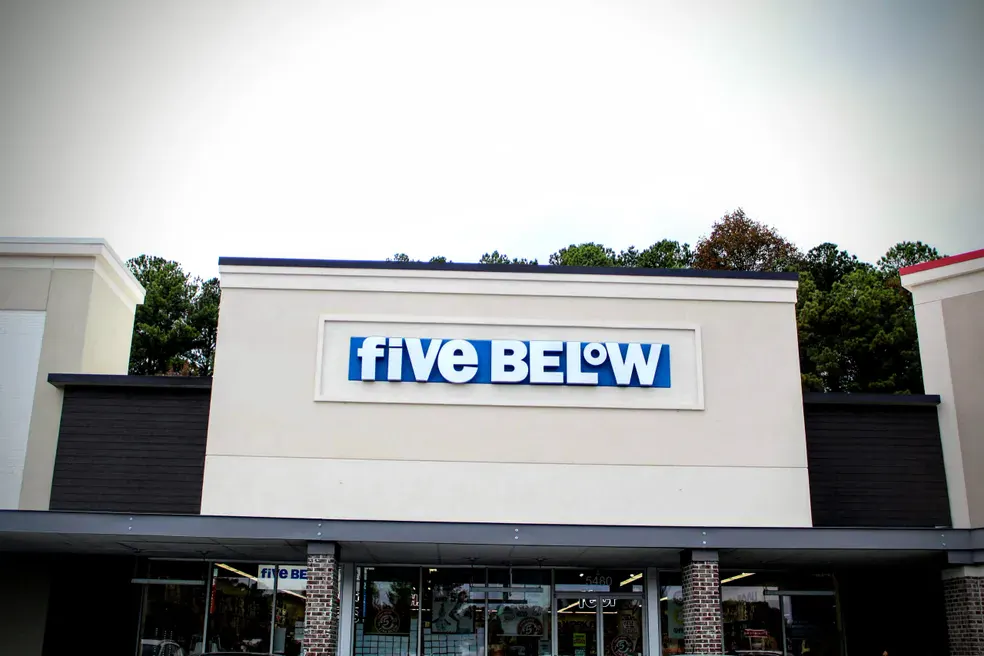
Stucco Impact Repair
Storefronts, drive-throughs, loading areas and parking-side walls take hits from vehicles, carts, hail and equipment.
Learn moreHow far a patch should extend
On a wall with even color and a texture we can reproduce, a localized patch blends well. On a wall that has faded unevenly, been painted several times or already carries a quilt of earlier patches, any new spot adds to the problem. There, refinishing the panel or the full elevation is often the better spend.
We will give you both options when they are close, with photos showing why. On commercial facades, recoating a whole bay or elevation also gives managers a clean, uniform look tenants notice.
| Wall condition | Recommended | Visibility |
|---|---|---|
| Even color, simple texture | Local patch | Very hard to spot |
| Faded or weathered finish | Patch to a break line | Slight up close |
| Several old patches | Panel refinish | Uniform panel |
| Painted, peeling or chalky | Elevation recoat | Uniform wall |
How we blend a patch
Matching is planned at the first visit, not improvised on the last one.
Study & sample
We photograph the texture, note the aggregate and color in natural light and, on larger jobs, make a sample for your approval.
- Texture recorded
- Sample when needed
- Break line chosen
Repair to sound
Damaged material is removed and the base rebuilt flush with the wall so the finish goes on at the same depth as the original.
- Base set flush
- Edges clean
- Moisture verified
Finish & feather
The tinted finish is applied with the same tool motion as the wall and worked out to the chosen edge, then checked once it dries.
- Matched tool motion
- Edges blended
- Reviewed after drying
What our customers say
Homeowners and long-time commercial clients on working with ASR.
“We had the inside and outside (Hardie Siding) of our home painted by Advanced Stucco. Additionally, they made some necessary repairs and improvements outside. Very thorough job!! We’re extremely happy with their work, professionalism and punctuality.”

“Willy came today at precisely 8 o’clock and did an outstanding job on everything! I am more than satisfied and will look forward to calling in your company’s service again.”
“I have worked with Darrin on several occasions over the last few years. He is extremely knowledgeable and highly professional. He is reliable and reasonably priced. He does good work.”
Stucco patch questions
What people ask us about how well a patch will match.
Can you match my existing stucco texture?
Why does my old patch look darker or lighter than the wall?
Can I paint over a stucco patch to hide it?
When is a full recoat better than patching?
How do I get a patch quoted?
Want a patch that blends in?
Show us the spot. We will tell you honestly how close the match can get and how far the patch should go.
Request a consultation & estimate
Homeowners and commercial clients alike: tell us about the property and what you are seeing.
- Call(888) 592-1304
- E-mailinfo@advstucco.com
- Headquarters138 Mountain Brook Dr, Canton, GA 30115
- HoursMon–Fri 8:30 am – 5:30 pm
Send us your project details
Residential or commercial. We’ll get back to you to set up an evaluation.
We never share your information. Prefer to talk? Call (888) 592-1304.