
- Home
- Stucco Finishes Chosen for How They Age
Stucco Finishes Chosen for How They Age
The finish coat is the part of a stucco wall everyone sees and the part the weather hits first. We help you pick a finish that suits the wall underneath, the look you want and the upkeep you are willing to do.
- Acrylic finishes
- Elastomeric finishes
- Cement-based finishes
- Custom color blending

Request a consultation & estimate
Residential or commercial. We’ll get back to you to set up an evaluation.
We never share your information. Prefer to talk? Call (888) 592-1304.
A finish is more than a color
Under the color, every stucco finish has a binder that holds the aggregate together. That binder decides how the wall handles water vapor, hairline movement, dirt and sun. A cement-based finish breathes well and suits traditional hard coat. An acrylic finish holds color longer and resists hairline cracking. An elastomeric finish stretches over small movement and sheds rain, but it is the least vapor-open of the three.
The right choice depends on the system behind it. EIFS walls are designed around acrylic finishes. Three-coat portland cement stucco can take any of them, as long as the base coat is cured and sound. Old walls that have been painted several times need a different plan than new work.
On homes, owners usually care most about color, texture and how often the wall will need attention. On commercial buildings, managers ask how a finish will look after years of sprinkler overspray and traffic. We answer both with the same facts. If the existing finish has failed, start with stucco resurfacing; for texture choices see stucco textures.

What each finish does best
Three binder families cover almost every stucco wall in Georgia. Each has a job it does well and a job it should not be asked to do.
Cement-based finish
Portland cement and lime with sand, tinted with pigment. Vapor-open and traditional, though it can show hairline cracks and color variation.
Acrylic finish
Polymer binder with aggregate, factory or custom tinted. Holds color well and flexes enough to resist fine cracking.
Elastomeric finish
A highly flexible polymer finish that bridges small cracks and sheds wind-driven rain on exposed walls.
Color & fading
Deep, saturated colors fade faster on south and west walls. Lighter tones and acrylic binders hold up longest in Georgia sun.
Maintenance needs
Cement finishes take a breathable coating later; acrylic and elastomeric finishes mostly need cleaning and sealant care.
Repairability
Cement finishes blend with a careful color match. Acrylic repairs are easier to tint but can flash if the sheen differs.
Often paired with this work
Most wall problems involve more than one part of the envelope.
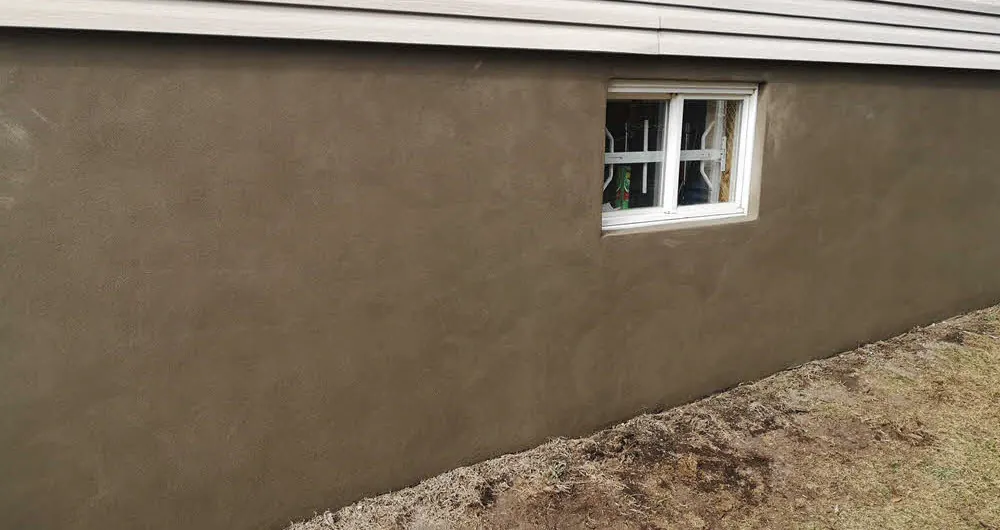
Stucco Textures
Texture is what makes a stucco wall look like stucco, and it is the first thing that gives away a bad repair.
Learn more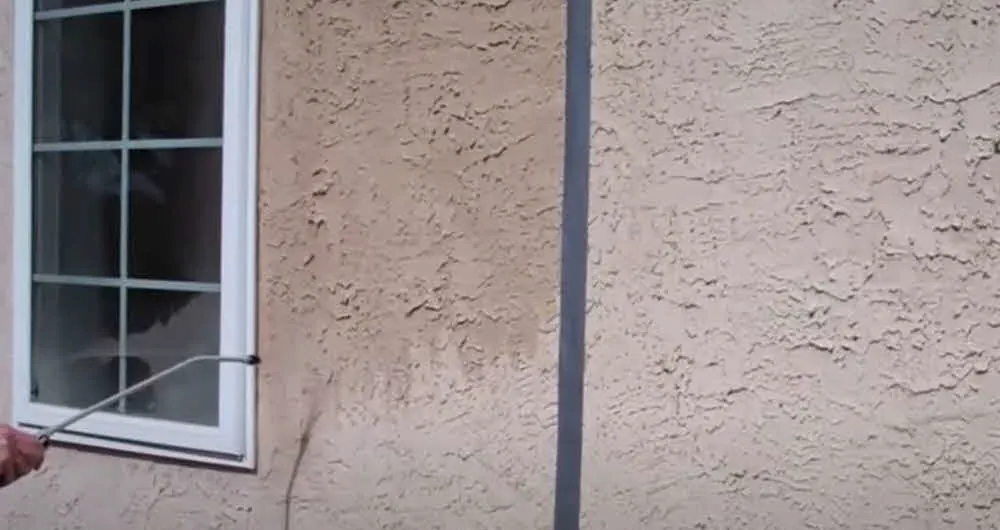
Stucco Paint
Stucco is not wood siding, and the wrong paint can seal moisture inside the wall.
Learn more
Painting
Most painters cover what they find.
Learn more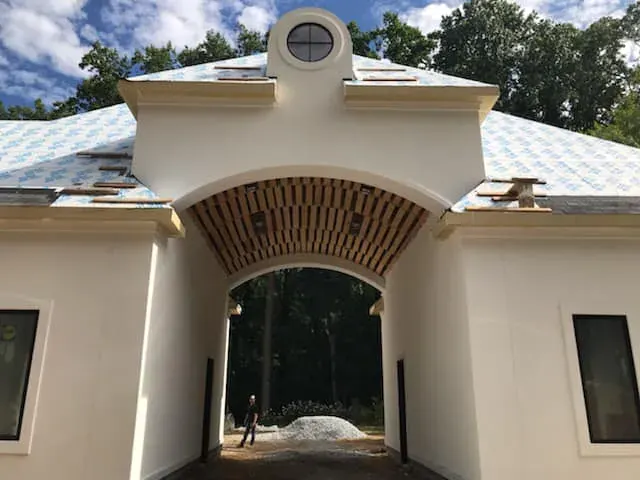
Stucco Foam Trim
Foam trim gives a stucco wall its shadow lines: window surrounds, belly bands, quoins and sills.
Learn more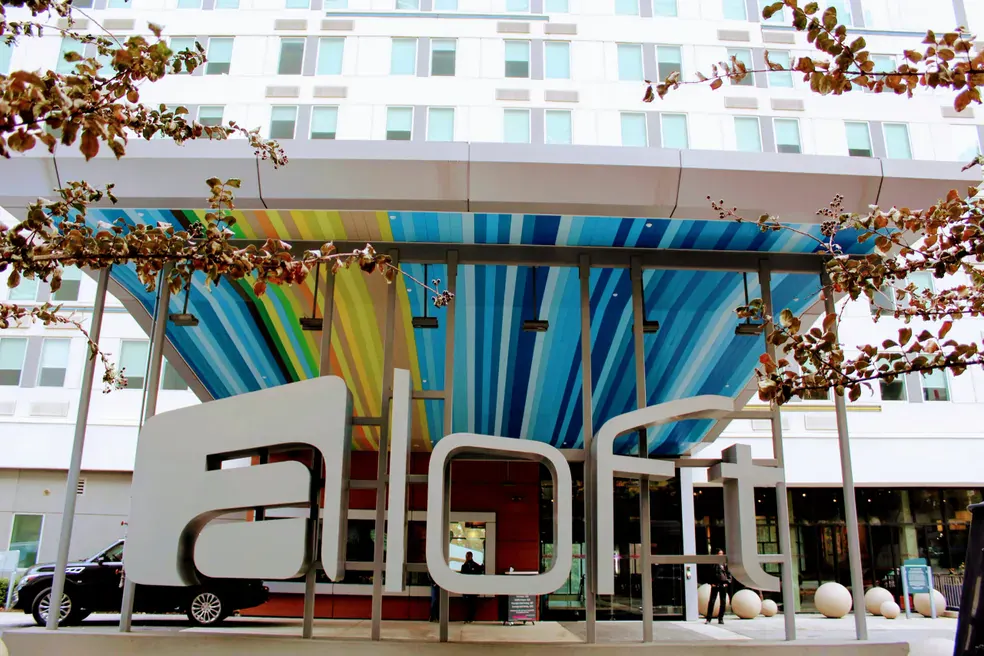
Exterior Foam Trim & Molding
Cornices, bands, column caps and keystones give a hotel, retail center or office building its character.
Learn more
Stucco Molding
Before foam trim existed, stucco moldings were run in place with a shaped knife.
Learn moreComparing stucco finish systems
No finish is best everywhere. A shaded north wall on a house in the woods has different needs than a sun-baked retail elevation facing a parking lot. We look at exposure, the substrate, any history of cracking and how the building will be maintained before recommending one.
If you are replacing a finish rather than starting fresh, the old coat has to be checked for bond, chalking and moisture first. A new finish over a loose or damp surface fails in a few seasons, regardless of which product is used.
| Finish | Strength | Watch for |
|---|---|---|
| Cement-based | Breathes, traditional look | Hairline cracks |
| Acrylic | Color retention, flex | Sheen differences |
| Elastomeric | Bridges small cracks | Lower vapor flow |
| Recoat over old | Refreshes a tired wall | Bond of old coat |
From sample board to final coat
Finish work is where weather and timing matter most, so we schedule around temperature, humidity and rain.
Assess & sample
We check the base coat or old finish, take moisture readings and make color and texture samples you can see on the wall itself.
- Substrate checked
- Samples on site
- Finish type agreed
Prepare the surface
Cracks are repaired, loose material removed and a primer applied where the product calls for it. Windows, trim and landscaping are masked.
- Cracks addressed first
- Primer where required
- Protection in place
Apply & cure
The finish is troweled and textured in continuous sections to corners or joints, so there are no lap marks mid-wall, then left to cure.
- Worked to natural breaks
- Cure time respected
- Walkthrough at the end
Not sure what finish you have?
We can identify it on site and tell you what it will accept.
What our customers say
Homeowners and long-time commercial clients on working with ASR.
“Willy came today at precisely 8 o’clock and did an outstanding job on everything! I am more than satisfied and will look forward to calling in your company’s service again.”
“I have worked with Darrin on several occasions over the last few years. He is extremely knowledgeable and highly professional. He is reliable and reasonably priced. He does good work.”
“ASR has repaired the bulk of our recent new home that was wrought damaged stucco, termite, water, and mold damage. They completely transformed our home from the inside and out, providing consistent communication and quality craftsmanship.”

Stucco finish questions
Questions owners and managers ask when choosing or replacing a finish.
What is the most durable stucco finish?
Can I put an acrylic finish over old cement stucco?
Is elastomeric finish the same as elastomeric paint?
Will a new finish match my neighbor's or the rest of my building?
Which finish is used on EIFS?
Choose a finish with a specialist
Tell us about the wall and the look you have in mind. We will show samples and give you a written scope.
Request a consultation & estimate
Homeowners and commercial clients alike: tell us about the property and what you are seeing.
- Call(888) 592-1304
- E-mailinfo@advstucco.com
- Headquarters138 Mountain Brook Dr, Canton, GA 30115
- HoursMon–Fri 8:30 am – 5:30 pm
Send us your project details
Residential or commercial. We’ll get back to you to set up an evaluation.
We never share your information. Prefer to talk? Call (888) 592-1304.