- Home
- Commercial
- Insulation Board Set Flat and Tight
Insulation Board Set Flat and Tight
The foam board is the backbone of an EIFS wall. How it is cut, attached and rasped decides how straight the facade looks and how well the finish holds up. We install EPS board on commercial buildings across Metro Atlanta and North Georgia.
- EPS board installation
- Adhesive & mechanical
- Rasped true and flat
- Shapes & reveals

Request a consultation & estimate
Residential or commercial. We’ll get back to you to set up an evaluation.
We never share your information. Prefer to talk? Call (888) 592-1304.
More than just insulation
Most EIFS uses expanded polystyrene, or EPS, board. It is light, easy to cut into shapes and stable once installed, and it provides an outer layer of insulation over the framing. That outer layer is what building designers call continuous insulation: it runs past the studs, floor edges and other framing that interrupt insulation between studs.
The board also carries everything that goes on top of it. If board edges are not tight, the base coat cracks along the joints. If the surface is not rasped flat, every wave shows through a fine finish in low sunlight. If the adhesive pattern is wrong, a drainable system cannot drain. These problems are built in on day one and cannot be fixed with finish later.
Board thickness is set by the project’s energy requirements, which depend on the building and the energy code in force, and by the architecture: bands, reveals and trim need extra depth. We install what the design calls for and flag details that do not work in the field. Related pages: energy-efficient stucco, exterior foam trim and drainable EIFS.
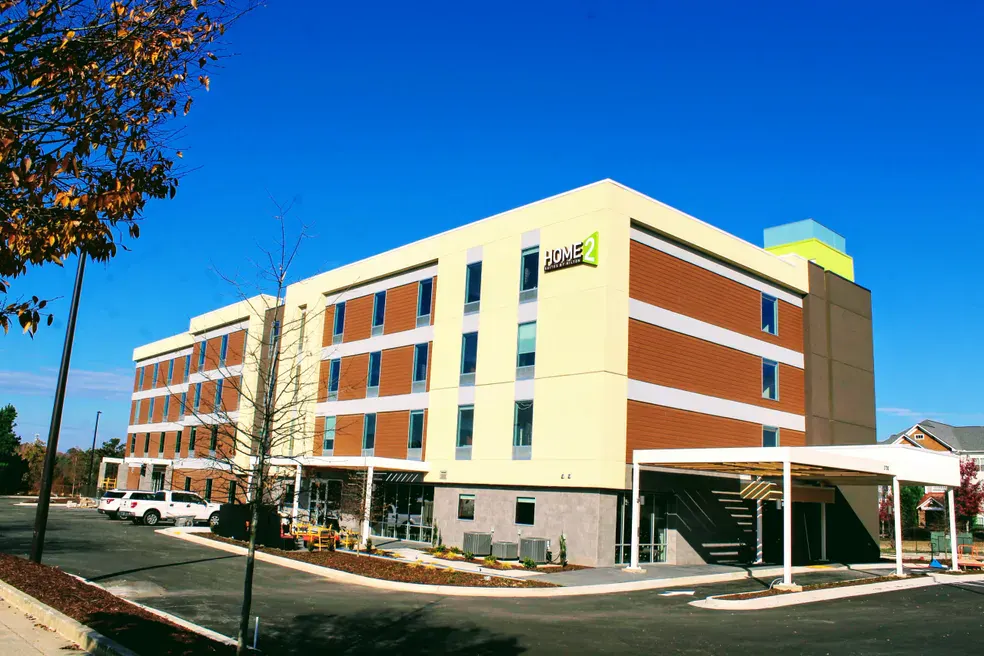
What good board work looks like
These are the checks we make before any base coat goes on.
Staggered joints
Board is laid in running bond with joints offset and never lined up with sheathing seams or opening corners.
L-cuts at openings
Board around windows is notched in one piece, so no joint runs off the corner where cracks start.
Tight edges
Gaps between boards are filled with slivers of foam or approved foam filler, never with base coat.
Rasped flat
The surface is rasped to remove high spots and ledges so the base coat goes on at even thickness.
Often paired with this work
Most wall problems involve more than one part of the envelope.
EIFS
EIFS looks like stucco from the street, but it is a very different wall.
Learn more
EIFS Repair
A dent in EIFS is more than cosmetic once the mesh is broken, and a dark streak below a window often means wet foam.
Learn more
EIFS Contractor
On a commercial EIFS job, the details at windows, parapets and joints decide whether the wall performs for decades or leaks in its first winter.
Learn more
Exterior Insulation & Finish System
An Exterior Insulation and Finish System is cladding, insulation and drainage in one assembly.
Learn more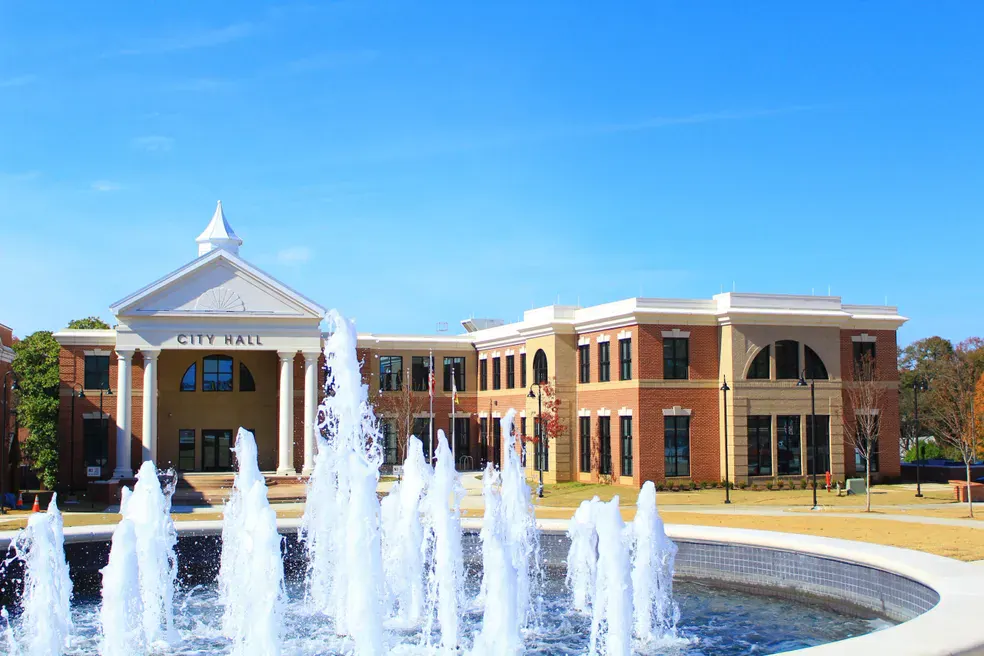
EIFS Finish System
The finish coat is the part of EIFS everyone sees and the part the sun works on every day.
Learn more
Dryvit
Many people call any foam-backed stucco "Dryvit," the way tissues get called by one brand name.
Learn moreAdhesive, fasteners or both
How board is attached depends on the substrate, the system design and wind exposure. Adhesive alone is common over sound sheathing or masonry. On drainable systems, adhesive is applied in vertical ribbons so water can run down behind the board. Mechanical fasteners with plates are used where the specification calls for them, often on taller buildings or over substrates that cannot take adhesive.
We follow the manufacturer’s specification and the project documents for attachment, and we give the general contractor or owner photo records of the board before it is covered.
| Method | Typical use | Watch for |
|---|---|---|
| Notched-trowel adhesive | Barrier systems | Full contact |
| Vertical ribbon adhesive | Drainable systems | Open drainage channels |
| Mechanical fasteners | As specified for wind | Plates set flush |
| Adhesive plus fasteners | Taller or exposed walls | Correct pattern |
How we install EIFS board
Board work is fast compared with the coats that follow, which is why it is easy to rush and important not to.
Check the substrate
Sheathing or masonry is checked for flatness, soundness and moisture, and the barrier and flashings are confirmed in place.
- Substrate flat and dry
- Barrier complete
- Layout planned
Set the board
Board is applied with the specified adhesive pattern and fasteners, starting level at the base and working up in running bond.
- Level starting course
- Joints staggered
- Openings L-cut
Rasp & inspect
After the adhesive sets, the surface is rasped flat, gaps filled and edges prepared for back-wrapping and base coat.
- High spots removed
- Gaps foam-filled
- Ready for base coat
Pricing a continuous insulation wall?
Send the specification and wall sections and we will review the board details with you.
What our customers say
Homeowners and long-time commercial clients on working with ASR.
“We had the inside and outside (Hardie Siding) of our home painted by Advanced Stucco. Additionally, they made some necessary repairs and improvements outside. Very thorough job!! We’re extremely happy with their work, professionalism and punctuality.”

“Willy came today at precisely 8 o’clock and did an outstanding job on everything! I am more than satisfied and will look forward to calling in your company’s service again.”
“I have worked with Darrin on several occasions over the last few years. He is extremely knowledgeable and highly professional. He is reliable and reasonably priced. He does good work.”
Insulation board questions
Questions from building owners, designers and general contractors.
What type of foam board is used in EIFS?
How thick should EIFS insulation board be?
Why does the board need to be rasped?
Can foam board go below grade?
Do you install foam board for residential projects too?
Start the wall on a solid base
Tell us about the project or send the drawings. We will review the board and attachment details and give you a written quote.
Request a consultation & estimate
Property managers, owners, HOAs and general contractors: tell us about the building and what you are seeing.
- Call(888) 592-1304
- E-mailinfo@advstucco.com
- Headquarters138 Mountain Brook Dr, Canton, GA 30115
- HoursMon–Fri 8:30 am – 5:30 pm
Send us your project details
Residential or commercial. We’ll get back to you to set up an evaluation.
We never share your information. Prefer to talk? Call (888) 592-1304.