
- Home
- Plaster Walls With Real Depth
Plaster Walls With Real Depth
Plaster gives a room a hard, dense surface that drywall cannot copy. We apply new veneer and traditional plaster, add decorative finishes, and repair plaster walls in homes and commercial interiors.
- Veneer plaster
- Traditional three-coat
- Decorative finishes
- Plaster repairs

Request a consultation & estimate
Residential or commercial. We’ll get back to you to set up an evaluation.
We never share your information. Prefer to talk? Call (888) 592-1304.
A harder, quieter interior wall
Plaster walls were standard in houses and buildings well into the twentieth century, and many in Georgia still stand. Traditional plaster was troweled in three coats over wood or metal lath: a scratch coat keyed into the lath, a brown coat to straighten the wall, and a thin finish coat troweled smooth or textured.
Veneer plaster is the modern version. A thin, very hard coat goes over special gypsum base board, giving most of plaster's surface quality in far less time. It resists dents and scuffs better than painted drywall, which is why it appears in busy corridors, schools and offices as well as in homes where the owner wants a solid, handmade finish.
Plaster also takes decorative finishes well: smooth polished surfaces, lime washes and hand-troweled textures with depth and movement. Whether you are restoring an older home or finishing a lobby, we can help you choose. For repair-focused work see repairing plaster, and for textured feature walls see interior stucco walls.
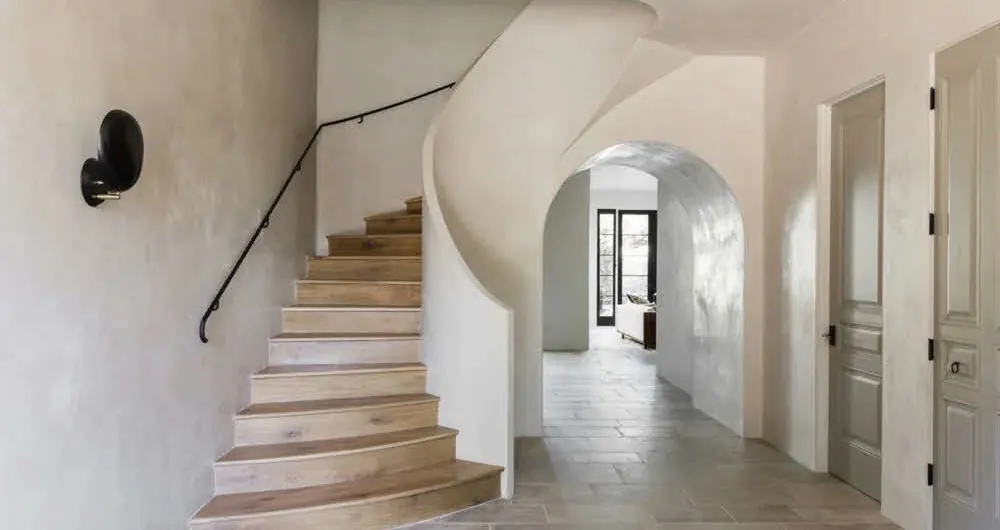
Plaster systems and finishes
The right system depends on whether you are building new, restoring old work or adding a decorative surface.
Traditional plaster
Three coats over lath, the system in most older homes and buildings. Thick, solid and repairable.
Veneer plaster
One or two thin, hard coats over gypsum base. Durable and quicker to install than three-coat work.
Decorative finishes
Polished, lime-based and hand-troweled finishes for feature walls, entries and lobbies.
Plaster repairs
Cracks, holes and loose sections repaired with compatible materials so the wall stays plaster.
Often paired with this work
Most wall problems involve more than one part of the envelope.
Interior Plaster Repair
Water stains on a lobby wall or a guest room ceiling are usually the inside end of an exterior leak.
Learn moreRepairing Plaster
Cracked ceilings, loose walls and water stains do not mean your plaster has to come down.
Learn moreInterior Stucco Walls
Stucco and plaster finishes bring texture and warmth indoors: a feature wall behind a fireplace, a curved arch in a hallway, or a restaurant dining room with an...
Learn more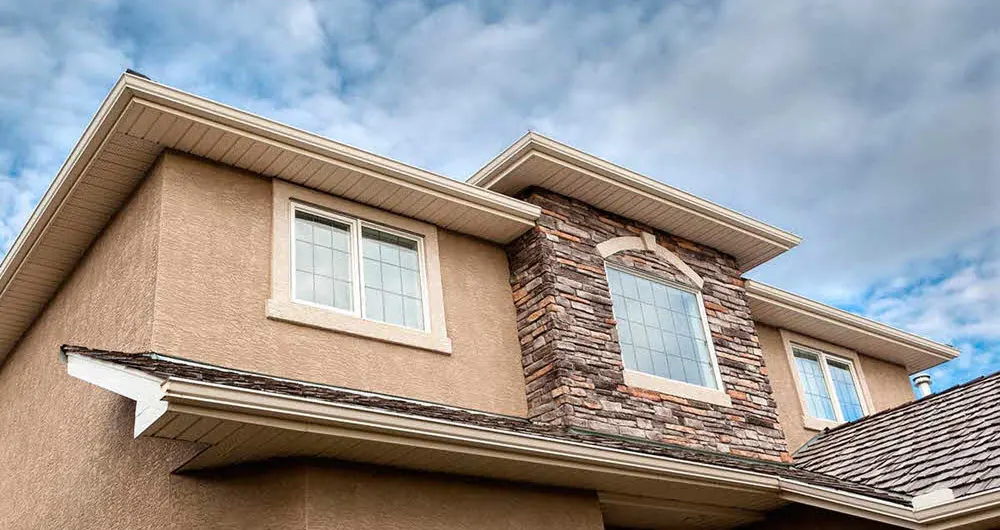
Stucco Repair
A crack or a stain is usually the visible end of a water problem.
Learn more
EIFS Repair
A dent in EIFS is more than cosmetic once the mesh is broken, and a dark streak below a window often means wet foam.
Learn more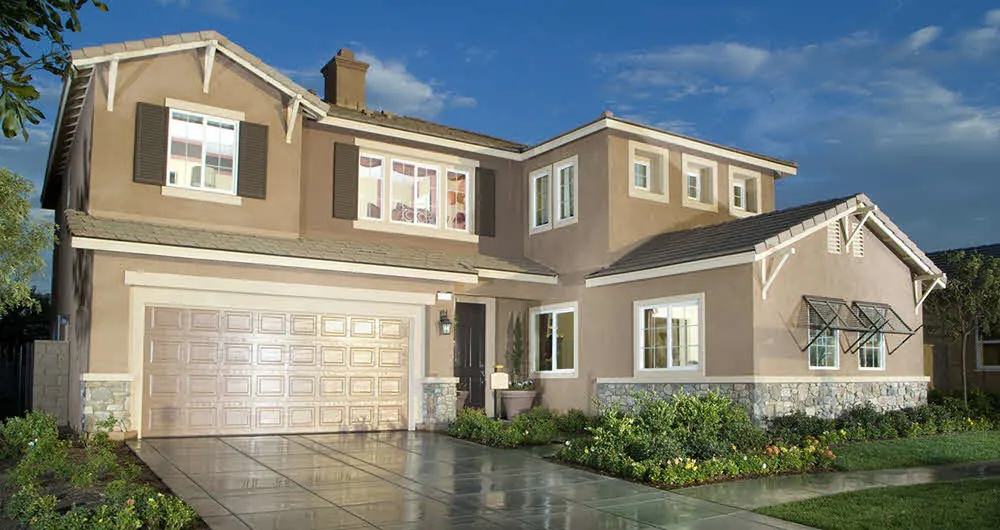
Leak Detection
Water behind stucco can travel several feet before it shows up as a stain, and sometimes it never shows at all.
Learn moreVeneer vs traditional plaster
For new walls, veneer plaster is usually the practical choice. It sets quickly, can be decorated soon after, and gives a hard, even surface. Traditional three-coat plaster makes sense when you are restoring an older house or matching existing walls next to the work.
Decorative finishes can go over either, as long as the base is sound and properly primed. We explain the trade-offs on site.
In older houses, the question is often whether to keep the original walls at all. Where most of the plaster is still attached, keeping and repairing it preserves the trim, the window returns and the solid sound of the room. Where large areas have failed, new veneer plaster over gypsum base can be finished to sit beside the old walls without an obvious seam.
| System | Best for | Surface |
|---|---|---|
| Traditional three-coat | Restoring older walls | Thick and solid |
| Veneer plaster | New rooms, remodels | Thin and very hard |
| Decorative plaster | Feature walls, lobbies | Textured or polished |
| Drywall (for contrast) | Budget partitions | Softer, dents easily |
Plastering a wall
Plaster work is wet and dusty, so we protect the room first and keep the job clean as it goes.
Plan & protect
We confirm the system and finish, check the existing walls or framing, and cover floors, fixtures and furniture.
- System and finish chosen
- Substrate checked
- Room protected
Base & coats
Lath or gypsum base is installed or repaired, and the plaster coats are applied and troweled at the right set time.
- Corners reinforced
- Coats troweled in sequence
- Flat, true surface
Finish & clean
The final surface is troweled, textured or polished, allowed to dry, and the room is cleaned before handover.
- Finish as sampled
- Dry time respected
- Full cleanup
What our customers say
Homeowners and long-time commercial clients on working with ASR.
“Excellent customer service and craftsmanship! I have used Darrin and the team several times and have never been disappointed!”

“I got quality of work with a quality product; the workmanship of his staff do amazing work. As a woman, I despise mess, I had none with the crew and the phenomenal way they cleaned up.”
“For over 10 years we have relied on ASR for all our stucco repair needs, but as well, for a number of other water intrusion related solutions. Their leadership are responsive and have trained their technicians well.”
Plaster wall questions
What homeowners and building managers ask about plaster.
Is plaster better than drywall?
What is veneer plaster?
Can you add a decorative plaster finish to existing walls?
Do you plaster commercial interiors?
Can plaster be used in bathrooms and kitchens?
How long before a new plaster wall can be painted?
Plan your plaster walls
Call (888) 592-1304 or send the form. We will look at the space and recommend a system and finish.
Request a consultation & estimate
Homeowners and commercial clients alike: tell us about the property and what you are seeing.
- Call(888) 592-1304
- E-mailinfo@advstucco.com
- Headquarters138 Mountain Brook Dr, Canton, GA 30115
- HoursMon–Fri 8:30 am – 5:30 pm
Send us your project details
Residential or commercial. We’ll get back to you to set up an evaluation.
We never share your information. Prefer to talk? Call (888) 592-1304.