
- Home
- Stucco Moldings, Run and Restored
Stucco Moldings, Run and Restored
Before foam trim existed, stucco moldings were run in place with a shaped knife. We still do that work, and we repair and match older moldings and window surrounds so the detail survives the repair.
- Running moldings
- Window surrounds
- Historic profiles matched
- Homes & buildings

Request a consultation & estimate
Residential or commercial. We’ll get back to you to set up an evaluation.
We never share your information. Prefer to talk? Call (888) 592-1304.
Detail that is part of the wall
A run stucco molding is built from the same cement material as the wall. A plasterer cuts a metal template to the profile, mounts it on a wooden slide, and pulls it along a straight guide again and again while building up layers of mortar. The result is a solid cornice, band or surround bonded to the lath and stucco around it.
Many older Georgia homes and early commercial buildings have moldings made this way. When they crack or a section falls away, a foam replacement often looks wrong: the edges are softer, the profile is a little off and the piece sounds hollow. Running a new section with a knife cut to the old profile keeps the original character.
We also build cement and foam-core surrounds on newer homes and buildings where the owner wants a heavier, more traditional look. If your detail is foam-based, see stucco foam trim; for older walls see traditional stucco.

Decorative details we build and repair
Every molding is either a new design or a copy of something already on the building.
Running moldings
Cornices and bands run in place with a profile knife, built up in layers of cement mortar.
Window surrounds
Molded casings, heads and sills around openings, sloped to shed water from the top.
Historic profiles
Old moldings measured or traced, and a knife cut to reproduce the exact profile.
Cracked moldings
Cracks routed and filled, loose layers removed and rebuilt, and the profile restored.
Missing sections
Broken or missing runs rebuilt to match, with the joint to old work feathered and finished.
Commercial details
Bands and cornices on older storefronts and buildings, restored and phased around tenants.
Often paired with this work
Most wall problems involve more than one part of the envelope.

Stucco Finishes
The finish coat is the part of a stucco wall everyone sees and the part the weather hits first.
Learn more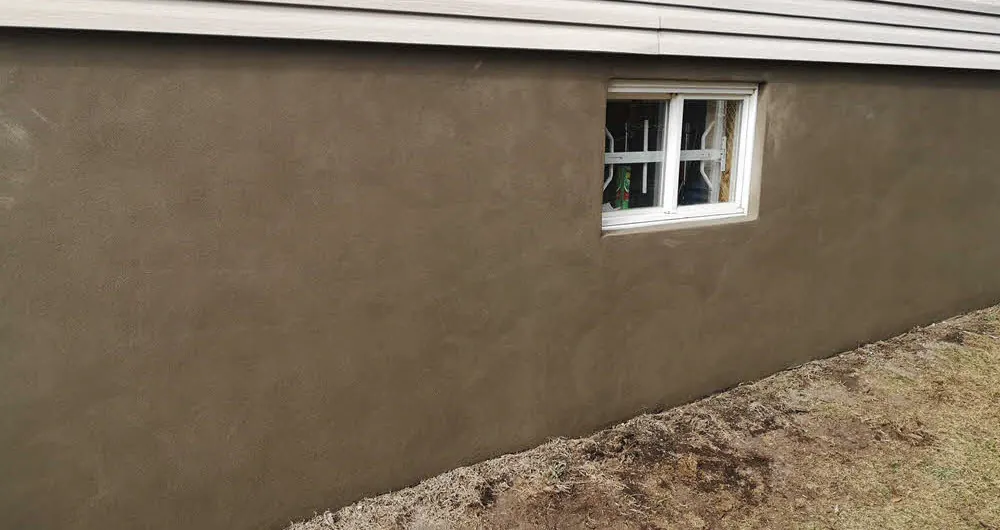
Stucco Textures
Texture is what makes a stucco wall look like stucco, and it is the first thing that gives away a bad repair.
Learn more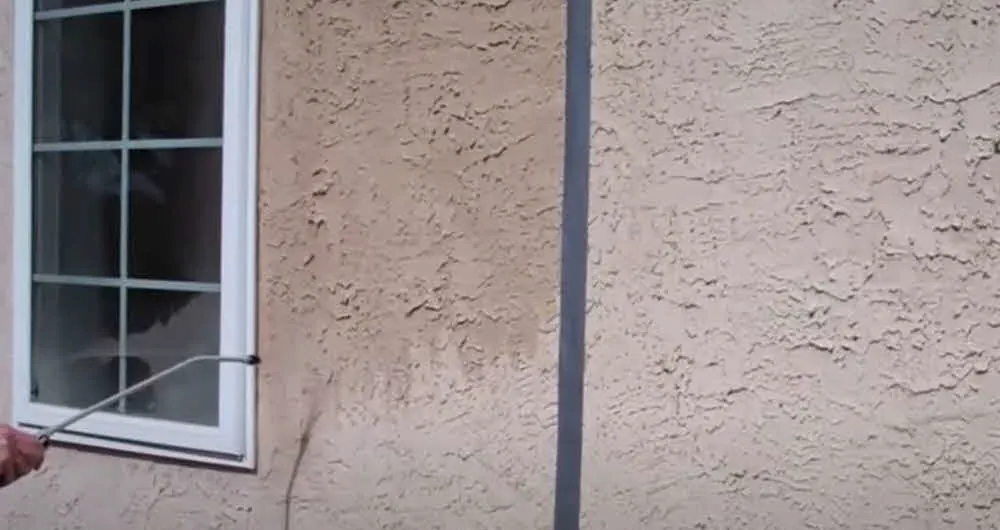
Stucco Paint
Stucco is not wood siding, and the wrong paint can seal moisture inside the wall.
Learn more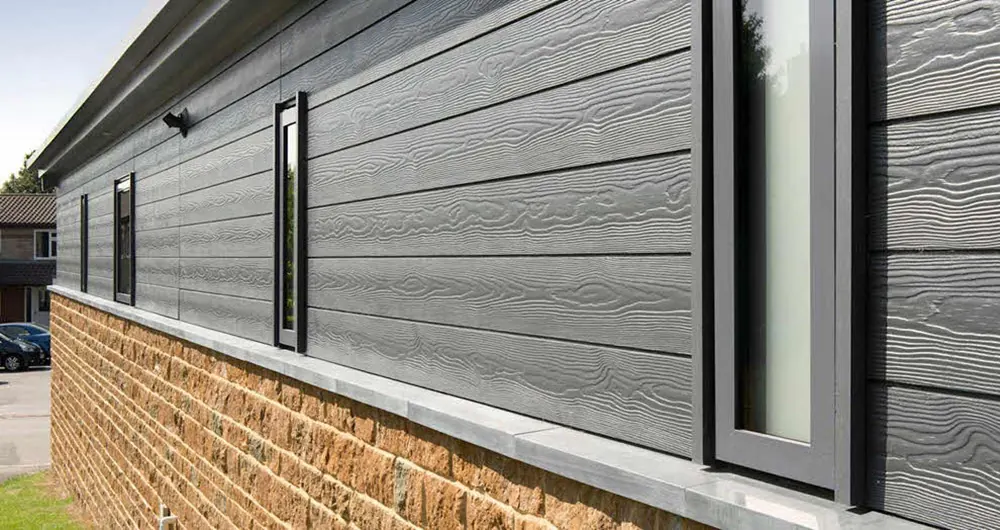
Painting
Most painters cover what they find.
Learn more
Stucco Foam Trim
Foam trim gives a stucco wall its shadow lines: window surrounds, belly bands, quoins and sills.
Learn more
Exterior Foam Trim & Molding
Cornices, bands, column caps and keystones give a hotel, retail center or office building its character.
Learn moreRun-in-place or foam-core molding
Run-in-place moldings are heavy, solid and match older work exactly, but they take time and skilled hands. Foam-core profiles are light and fast to install, and suit new construction and EIFS walls. Many projects use both: run moldings where the original detail must be preserved, foam where new detail is added.
We will recommend the method that fits the wall, the profile and the budget, and explain why.
| Method | Best use | Character |
|---|---|---|
| Run in place | Historic and hard coat walls | Solid, crisp edges |
| Precast stucco piece | Repeated surrounds | Solid, uniform |
| Foam core, coated | New work, EIFS walls | Light, fast |
| Patch and rebuild | Partial damage | Matches existing |
How a molding is matched
Reproducing a profile is careful work; most of the time goes into measuring and preparing the knife.
Trace the profile
We record the existing molding with a profile gauge or a cut section, and check the wall behind for moisture and loose lath.
- Profile recorded
- Moisture probed
- Damage mapped
Cut & run
A metal knife is cut to the profile and the molding is run along a guide in successive layers until the shape is full.
- Knife cut to match
- Layers built up
- Corners mitered by hand
Finish & blend
The new run is finished, joined to the old work and colored to match, with sealant at windows and dissimilar materials.
- Joints feathered
- Color matched
- Sealant installed
What our customers say
Homeowners and long-time commercial clients on working with ASR.
“Each and every person has a positive attitude that is projected with every task, duty and responsibility. The team did a terrific job on safety, maintenance and housekeeping, in addition to applying their craft(s).”
“Great attention to detail and workmanship. Really appreciate the effort to carefully caulk all stucco penetrations and amazingly good job of matching the stucco color since I had the stucco painted 5 years before.”
“We had a section of our wall that was crumbling, and I was worried the repairs would stand out. Not only did they fix the issue, but they matched the color and texture so perfectly that I honestly can’t tell where the damage was.”

Stucco molding questions
What owners of older and newer stucco buildings ask about molding work.
Can you match an old stucco molding?
Is a run molding better than foam trim?
Why are pieces falling off my stucco molding?
Do I need approval to repair molding in a historic district?
Restore or add stucco molding
Call (888) 592-1304 or send a photo of the detail. We will look at it in person and explain how we would match it.
Request a consultation & estimate
Homeowners and commercial clients alike: tell us about the property and what you are seeing.
- Call(888) 592-1304
- E-mailinfo@advstucco.com
- Headquarters138 Mountain Brook Dr, Canton, GA 30115
- HoursMon–Fri 8:30 am – 5:30 pm
Send us your project details
Residential or commercial. We’ll get back to you to set up an evaluation.
We never share your information. Prefer to talk? Call (888) 592-1304.