
- Home
- Stucco Foam Trim That Stays Watertight
Stucco Foam Trim That Stays Watertight
Foam trim gives a stucco wall its shadow lines: window surrounds, belly bands, quoins and sills. We install it, coat it to match the wall and repair trim that has cracked, rotted behind or been knocked loose.
- Window & door surrounds
- Bands & quoins
- Sills with proper slope
- Damaged trim repaired

Request a consultation & estimate
Residential or commercial. We’ll get back to you to set up an evaluation.
We never share your information. Prefer to talk? Call (888) 592-1304.
Small profiles, big water risk
Foam trim is shaped expanded polystyrene, glued and sometimes mechanically fastened to the wall, then wrapped in reinforcing mesh and covered with base coat and finish. When it is done well, you see a crisp band that looks like part of the stucco. When it is done poorly, it becomes a ledge that collects rain.
Most trim problems come from the top edge. A flat sill or band with no slope holds water against the finish until hairline cracks open along the joint. Water then runs behind the foam, into the window frame or down the sheathing. A slope on every horizontal surface, a sealant joint where trim meets windows and doors, and fully wrapped mesh at corners prevent most of that.
On houses we see this at window heads and belly bands between floors. On commercial buildings it shows up on long horizontal bands and parapet caps. For larger architectural pieces on commercial facades see exterior foam trim and molding; for run-in-place profiles see stucco molding.

Where foam trim is used
The same few shapes, sized and profiled to suit the house or building, cover most of what you see on Georgia stucco.
Window surrounds
Flat or stepped casings around windows and doors, with a sealant joint against the frame.
Belly & frieze bands
Horizontal bands between floors or under the eaves that break up a tall wall.
Quoins & corners
Alternating blocks on outside corners that give a wall a stone-like edge.
Sills
Projecting sills under windows, shaped with a wash so rain runs off instead of pooling.
Keystones & headers
Decorative pieces over arches and openings, bonded and coated like the rest of the trim.
Trim repair
Cracked, dented or water-soaked trim cut out, the wall behind checked, and new pieces shaped and coated.
Often paired with this work
Most wall problems involve more than one part of the envelope.

Stucco Finishes
The finish coat is the part of a stucco wall everyone sees and the part the weather hits first.
Learn more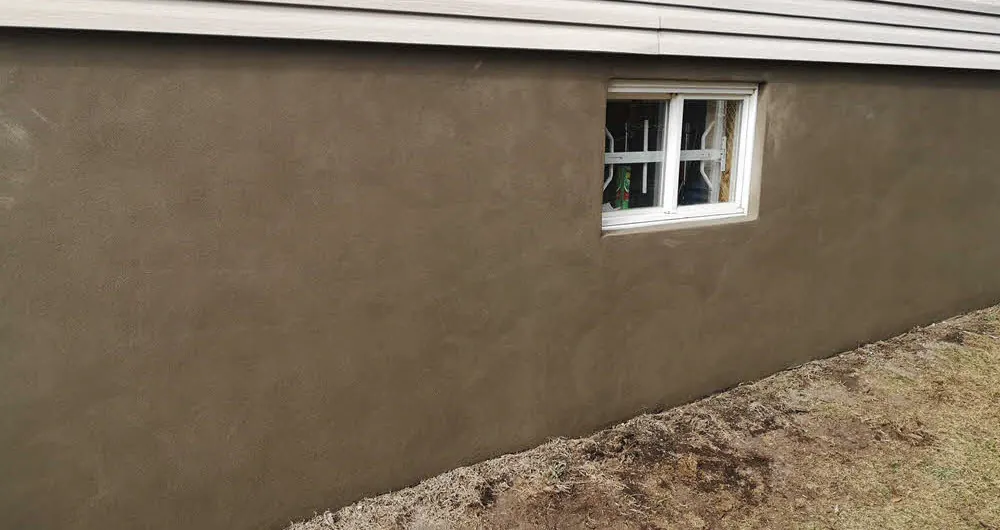
Stucco Textures
Texture is what makes a stucco wall look like stucco, and it is the first thing that gives away a bad repair.
Learn more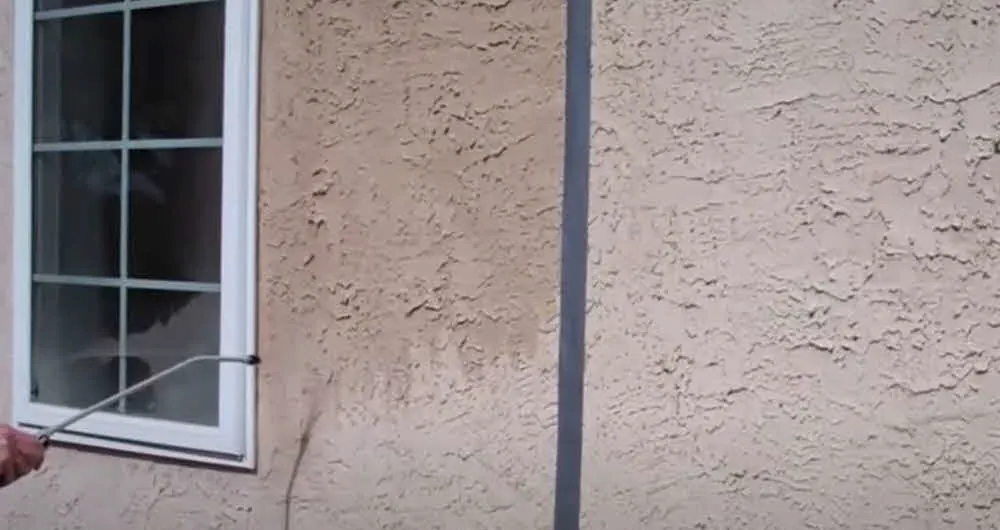
Stucco Paint
Stucco is not wood siding, and the wrong paint can seal moisture inside the wall.
Learn more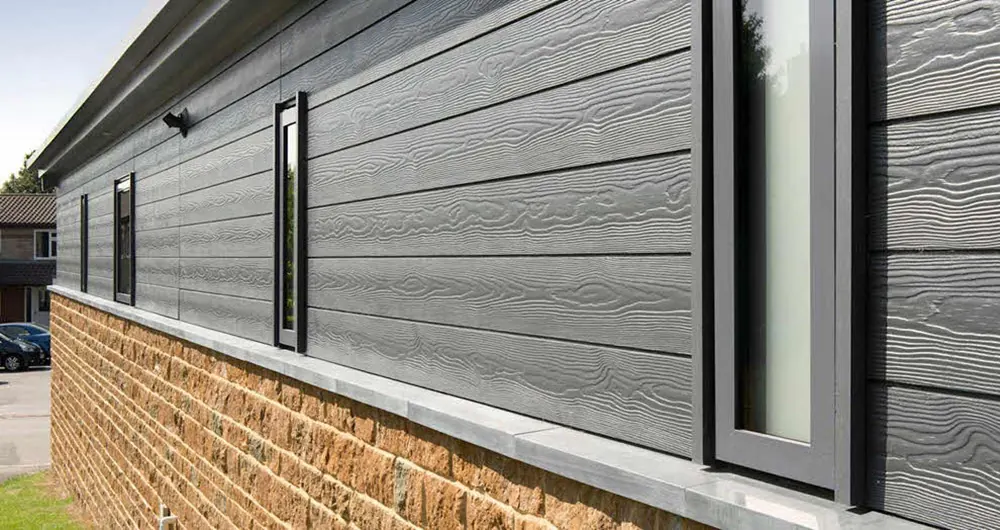
Painting
Most painters cover what they find.
Learn more
Exterior Foam Trim & Molding
Cornices, bands, column caps and keystones give a hotel, retail center or office building its character.
Learn more
Stucco Molding
Before foam trim existed, stucco moldings were run in place with a shaped knife.
Learn moreFixing damaged foam trim
A small ding or hairline crack in the coating can often be repaired in place: the area is ground back, new mesh embedded and the finish blended. If the foam is soaked, loose or the wall behind it reads wet, the piece comes off so the sheathing and window flashing can be checked.
We probe around the trim before deciding. Replacement trim is shaped to the original profile, so a repaired window surround looks like its neighbors.
| Condition | Repair | Wall behind |
|---|---|---|
| Hairline coating crack | Re-mesh and refinish | Usually fine |
| Impact dent or chip | Fill, mesh, refinish | Checked locally |
| Flat top holding water | Reshape with slope | Probed for moisture |
| Loose or soaked foam | Remove and replace | Opened and repaired |
Installing stucco foam trim
New trim goes on before the finish coat so the whole wall shares one finish and color.
Lay out & shape
We confirm sizes and profiles, mark positions on the wall and cut the foam with a slope on every horizontal top.
- Profiles agreed
- Slopes cut in
- Joints planned at windows
Attach & reinforce
Pieces are adhered and fastened where needed, then wrapped in mesh embedded in base coat, lapped onto the wall.
- Full adhesive contact
- Mesh wrapped at edges
- Corners reinforced
Finish & seal
Finish coat goes on with the wall, then sealant is installed where trim meets windows, doors and other materials.
- Finish matched to wall
- Sealant joints installed
- Final inspection
What our customers say
Homeowners and long-time commercial clients on working with ASR.
“ASR has repaired the bulk of our recent new home that was wrought damaged stucco, termite, water, and mold damage. They completely transformed our home from the inside and out, providing consistent communication and quality craftsmanship.”

“Each and every person has a positive attitude that is projected with every task, duty and responsibility. The team did a terrific job on safety, maintenance and housekeeping, in addition to applying their craft(s).”
“Great attention to detail and workmanship. Really appreciate the effort to carefully caulk all stucco penetrations and amazingly good job of matching the stucco color since I had the stucco painted 5 years before.”
Foam trim questions
Questions homeowners, builders and managers ask about stucco trim.
Can foam trim be added to an existing stucco house?
Why is my foam trim cracking?
Does foam trim hold up to impacts?
Is foam trim the same on EIFS and hard coat stucco?
Add or repair foam trim
Send a photo of the trim or call (888) 592-1304. We will check the wall behind it and give you a written scope.
Request a consultation & estimate
Homeowners and commercial clients alike: tell us about the property and what you are seeing.
- Call(888) 592-1304
- E-mailinfo@advstucco.com
- Headquarters138 Mountain Brook Dr, Canton, GA 30115
- HoursMon–Fri 8:30 am – 5:30 pm
Send us your project details
Residential or commercial. We’ll get back to you to set up an evaluation.
We never share your information. Prefer to talk? Call (888) 592-1304.