- Home
- Stucco Textures, Matched by Hand
Stucco Textures, Matched by Hand
Texture is what makes a stucco wall look like stucco, and it is the first thing that gives away a bad repair. We apply every common texture and match existing ones so new work blends into old.
- Sand & float finishes
- Lace & skip trowel
- Dash & smooth
- Repair texture matching

Request a consultation & estimate
Residential or commercial. We’ll get back to you to set up an evaluation.
We never share your information. Prefer to talk? Call (888) 592-1304.
Why texture is the hard part of a stucco repair
Two walls can share the same color and still look nothing alike. Texture comes from the size of the aggregate, the tool used, the angle of the trowel and the timing of each pass as the material firms up. A float finish done early looks soft; the same finish done late looks coarse and open.
That is why a patch often stands out even when the paint matches. The original applicator had a rhythm, and a repair has to copy it. We study the wall in raking light, check the aggregate size, and practice on a sample board before touching the real surface. On large walls we work to a corner, control joint or trim line so the eye has a natural place to stop.
Homeowners usually come to us after another patch did not blend. Commercial clients need a texture to run consistently across long elevations with several crews' work over the years. Either way the method is the same. For finish binders see stucco finishes, and for damage repairs see stucco patching.
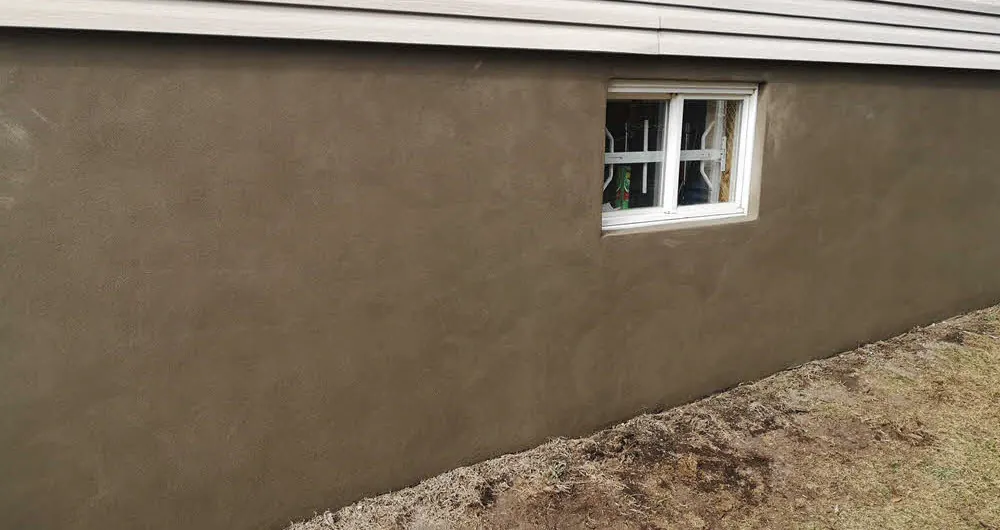
Common stucco texture styles
Most Georgia homes and buildings use one of these six. Many walls are a regional variation of one of them.
Sand finish
A fine, even grain from small aggregate floated flat. Quiet and uniform, common on newer homes and EIFS.
Float finish
Larger aggregate worked with a float to leave a swirled or rough open surface. Hides minor flaws well.
Lace or skip trowel
Material flicked on and knocked down with a trowel, leaving raised islands and smooth valleys.
Dash finish
Material sprayed or thrown onto the wall for a pebbly, rough texture. Durable and common on older homes.
Smooth finish
Troweled nearly flat for a clean, modern look. The hardest to repair invisibly because every flaw shows.
Santa Barbara style
A smooth, slightly uneven hand-troweled surface with soft movement, inspired by old mission plaster.
Often paired with this work
Most wall problems involve more than one part of the envelope.

Stucco Finishes
The finish coat is the part of a stucco wall everyone sees and the part the weather hits first.
Learn more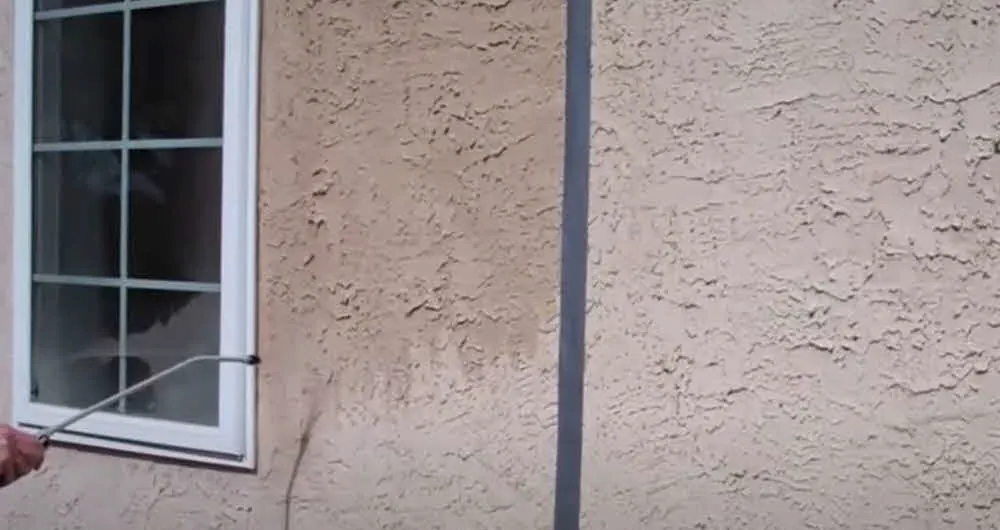
Stucco Paint
Stucco is not wood siding, and the wrong paint can seal moisture inside the wall.
Learn more
Painting
Most painters cover what they find.
Learn more
Stucco Foam Trim
Foam trim gives a stucco wall its shadow lines: window surrounds, belly bands, quoins and sills.
Learn more
Exterior Foam Trim & Molding
Cornices, bands, column caps and keystones give a hotel, retail center or office building its character.
Learn more
Stucco Molding
Before foam trim existed, stucco moldings were run in place with a shaped knife.
Learn moreTexture, upkeep and how repairs blend
Coarse textures hide hairline cracks, small patches and uneven substrate. Smooth textures show everything, including future repairs. If you are choosing a texture for new work or a resurfacing, think about how the wall will be maintained in ten years, not only how it looks on day one.
Dirt and mildew also settle differently. Deep, open textures hold more dust on shaded walls, while fine textures wash cleaner. We can show samples of each before you decide.
| Texture | Hides flaws | Repair blend |
|---|---|---|
| Sand | Moderate | Good |
| Float | Well | Very good |
| Lace / skip trowel | Well | Needs a skilled hand |
| Dash | Very well | Good |
| Smooth | Poorly | Most difficult |
How we match a stucco texture
A texture match is planned before any material is mixed. The goal is a repair you cannot find from a normal viewing distance.
Read the wall
We look at the texture in low-angle light, measure aggregate size and note whether it was troweled, floated, dashed or sprayed.
- Aggregate size checked
- Tool marks studied
- Break lines planned
Test on a board
We mix and texture sample boards until the pattern, depth and grain line up with the original, then confirm with you.
- Sample boards made
- Depth and spacing tuned
- Approved before work
Apply & feather
The texture goes on the repair and is worked into the surrounding wall, then color is matched with custom pigment.
- Edges feathered in
- Color blended last
- Checked from the street
What our customers say
Homeowners and long-time commercial clients on working with ASR.
“I got quality of work with a quality product; the workmanship of his staff do amazing work. As a woman, I despise mess, I had none with the crew and the phenomenal way they cleaned up.”
“For over 10 years we have relied on ASR for all our stucco repair needs, but as well, for a number of other water intrusion related solutions. Their leadership are responsive and have trained their technicians well.”

“A quality honest contractor is hard to come by – I’d use ASR for anything I could.”
Stucco texture questions
What people ask before a texture repair or a texture change.
Can you match an old or unusual stucco texture?
Can I change the texture of my existing stucco?
What is the most popular stucco texture today?
Why does my repaired patch look different from the wall?
Get a texture that blends in
Send a photo of the wall or call (888) 592-1304. We will look at the texture in person and show you samples first.
Request a consultation & estimate
Homeowners and commercial clients alike: tell us about the property and what you are seeing.
- Call(888) 592-1304
- E-mailinfo@advstucco.com
- Headquarters138 Mountain Brook Dr, Canton, GA 30115
- HoursMon–Fri 8:30 am – 5:30 pm
Send us your project details
Residential or commercial. We’ll get back to you to set up an evaluation.
We never share your information. Prefer to talk? Call (888) 592-1304.