
- Home
- Stucco Walls That Hold Comfort In
Stucco Walls That Hold Comfort In
A wall finish alone will not transform a building’s energy use, but the system behind it can make a real difference. We explain where stucco and EIFS help, where they do not, and how to get the most from either.
- Continuous insulation
- Air sealing at joints
- Sealed penetrations
- Honest expectations

Request a consultation & estimate
Residential or commercial. We’ll get back to you to set up an evaluation.
We never share your information. Prefer to talk? Call (888) 592-1304.
What a wall can and cannot do
Heat moves through a wall in three ways that matter here. It conducts through the framing, which is why insulation between studs never performs as well as its label suggests. It leaks with air through gaps at windows, outlets, sill plates and penetrations. And it builds up in sun-baked surfaces on south and west walls. A good exterior system addresses all three.
Traditional hard coat stucco is a durable skin, but on its own it adds little insulation. EIFS is different: its foam board sits outside the framing and covers the studs, floor edges and headers that interrupt cavity insulation. That continuous layer is the most meaningful energy feature an exterior cladding can offer.
Air sealing matters just as much and applies to any wall. Sealant joints at windows and doors, sealed penetrations and a continuous water-resistive barrier all limit drafts and humid outside air. What we will not do is promise a number on your utility bill; that depends on the whole building. For details see insulation boards, sealants and EIFS.

Four ways a wall saves energy
None of these is exotic. Each is a detail that is easy to skip and hard to add later.
Insulation outside the frame
EIFS foam covers studs and floor edges so heat has fewer easy paths through the wall.
Sealed openings
Sealant and flashing at windows and doors stop air leaks as well as rain.
Sealed penetrations
Vents, pipes, lights and cable entries sealed at the barrier and the surface cut drafts.
Lighter finish colors
Light colors reflect more sun and keep exposed walls cooler in Georgia summers.
Often paired with this work
Most wall problems involve more than one part of the envelope.

EIFS
EIFS looks like stucco from the street, but it is a very different wall.
Learn more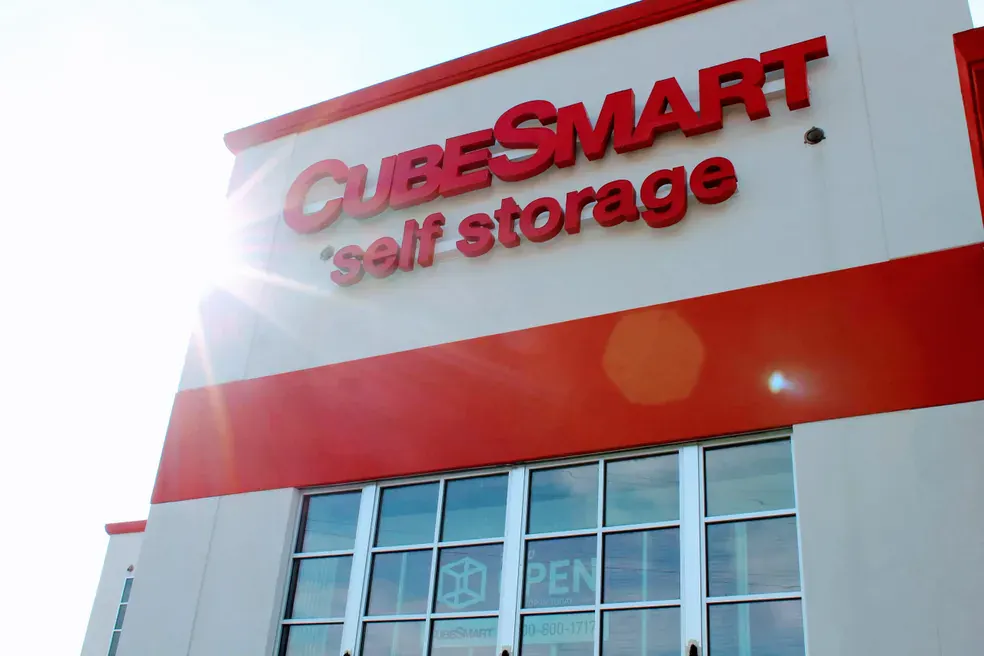
EIFS Repair
A dent in EIFS is more than cosmetic once the mesh is broken, and a dark streak below a window often means wet foam.
Learn more
EIFS Contractor
On a commercial EIFS job, the details at windows, parapets and joints decide whether the wall performs for decades or leaks in its first winter.
Learn more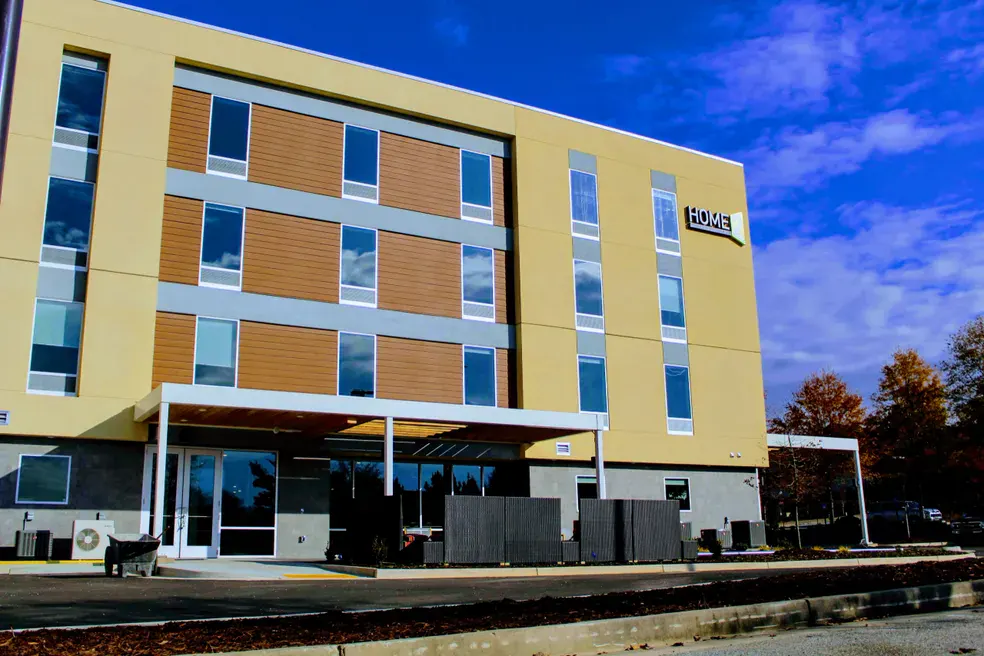
Exterior Insulation & Finish System
An Exterior Insulation and Finish System is cladding, insulation and drainage in one assembly.
Learn moreEIFS Finish System
The finish coat is the part of EIFS everyone sees and the part the sun works on every day.
Learn more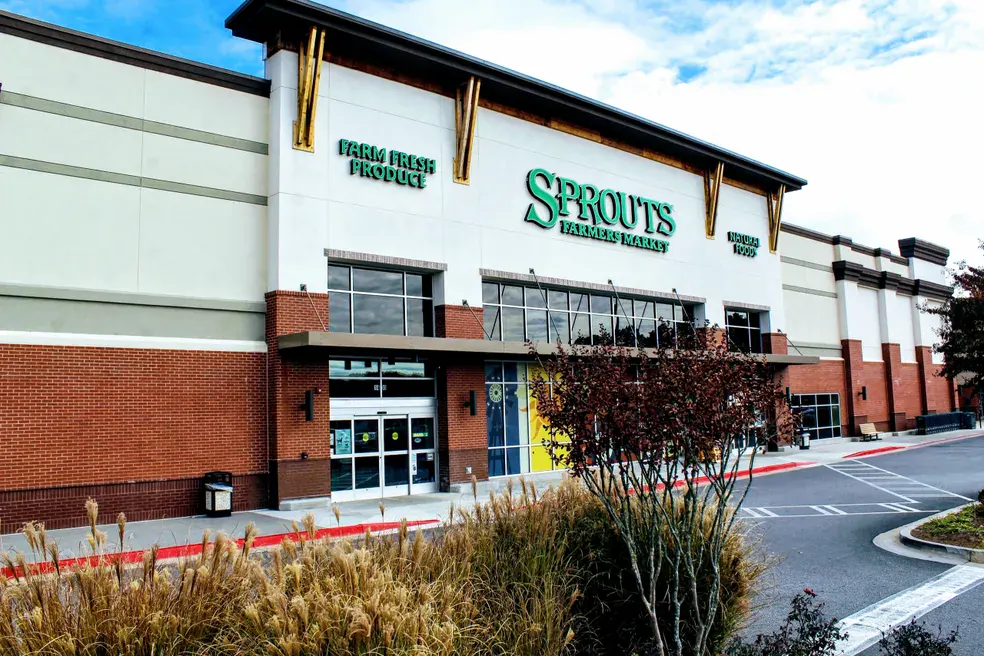
Dryvit
Many people call any foam-backed stucco "Dryvit," the way tissues get called by one brand name.
Learn moreStucco, EIFS and energy performance
For a new building or addition, choosing EIFS adds continuous insulation as part of the cladding. For an existing stucco home or building, the realistic energy improvements usually come from renewing sealant joints, sealing penetrations and fixing gaps at windows, which we often combine with repair work already planned.
On a re-clad, replacing an old barrier EIFS or failed stucco with a drainable EIFS can add insulation and improve air sealing at the same time. That kind of project is worth discussing with your designer or energy consultant before you decide.
| Feature | Hard coat stucco | EIFS |
|---|---|---|
| Insulation in cladding | Minimal | Continuous foam layer |
| Covers stud framing | No | Yes |
| Air sealing | Joints and barrier | Joints and barrier |
| Retrofit potential | Sealant and penetrations | Re-clad adds insulation |
How we tighten up a stucco or EIFS wall
Energy improvements fit naturally into repair, recoat and re-clad work.
Assess the envelope
We look at the wall system, window and door joints, penetrations and any water damage that needs repair first.
- System identified
- Air leak spots noted
- Moisture checked
Seal & repair
Failed sealant is cut out and replaced with backer rod and compatible sealant, penetrations are sealed and damaged areas are rebuilt.
- Joints renewed
- Penetrations sealed
- Damage repaired
Upgrade where it fits
On re-clads, additions and new work, we install EIFS with continuous insulation to the design team’s specification.
- Board to specification
- Barrier continuous
- Walkthrough at the end
Drafty rooms near exterior walls?
Leaky window and penetration joints are often part of the cause.
What our customers say
Homeowners and long-time commercial clients on working with ASR.
“Excellent customer service and craftsmanship! I have used Darrin and the team several times and have never been disappointed!”

“I got quality of work with a quality product; the workmanship of his staff do amazing work. As a woman, I despise mess, I had none with the crew and the phenomenal way they cleaned up.”
“For over 10 years we have relied on ASR for all our stucco repair needs, but as well, for a number of other water intrusion related solutions. Their leadership are responsive and have trained their technicians well.”
Energy and stucco questions
What homeowners and building owners ask about stucco, EIFS and energy.
Is stucco energy efficient?
How much will EIFS lower my energy bills?
Can I add insulation to existing stucco?
Does finish color really make a difference?
Do commercial buildings benefit more?
Make your walls work harder
Tell us about your home or building. We will look at the wall system and joints and explain what would make a real difference.
Request a consultation & estimate
Homeowners and commercial clients alike: tell us about the property and what you are seeing.
- Call(888) 592-1304
- E-mailinfo@advstucco.com
- Headquarters138 Mountain Brook Dr, Canton, GA 30115
- HoursMon–Fri 8:30 am – 5:30 pm
Send us your project details
Residential or commercial. We’ll get back to you to set up an evaluation.
We never share your information. Prefer to talk? Call (888) 592-1304.