- Home
- EIFS Explained, Installed and Repaired
EIFS Explained, Installed and Repaired
EIFS looks like stucco from the street, but it is a very different wall. We install it, repair it and keep it watertight on houses and commercial buildings across Metro Atlanta and North Georgia.
- Barrier & drainable systems
- New installs & re-clads
- Repairs & recoats
- Residential & commercial

Request a consultation & estimate
Residential or commercial. We’ll get back to you to set up an evaluation.
We never share your information. Prefer to talk? Call (888) 592-1304.
A layered wall with foam at its core
EIFS stands for Exterior Insulation and Finish System. Instead of portland cement over metal lath, it starts with rigid foam insulation board fastened or glued to the sheathing. A thin base coat goes over the foam with fiberglass reinforcing mesh pressed into it, and a colored acrylic finish coat gives the wall its texture.
Older EIFS, common on Georgia houses built in the 1980s and 1990s, was a barrier system: the outer surface was expected to stop all water. When a window leaked or a sealant joint opened, that water had no way out and soaked the sheathing. Current drainable EIFS adds a water-resistive barrier and a drainage path behind the foam so incidental water can escape at the base of the wall.
Because the layers are thin and the foam is soft, EIFS dents and punctures more easily than hard coat stucco, and it has to be repaired with compatible EIFS materials. We handle the full life of the system, from new installations to EIFS repair and routine maintenance.

What goes into an EIFS wall
Each layer has one job. When one is missing or done poorly, the whole wall pays for it.
Water-resistive barrier
On drainable systems, a fluid-applied or sheet barrier over the sheathing is the real waterproofing line.
Foam insulation board
Expanded polystyrene board gives the wall its shape and an outer blanket of insulation over the studs.
Base coat & mesh
A polymer-modified base coat with embedded fiberglass mesh gives the soft foam its strength and impact resistance.
Finish coat
An acrylic finish troweled on in sand, fine or swirl textures carries the color and sheds rain.
Drainage & terminations
Starter track, back-wrapped edges and clearance above grade and rooflines let water leave the wall.
Sealant joints
Joints at windows, doors and penetrations are sealed to the base coat, never to the finish alone.
Often paired with this work
Most wall problems involve more than one part of the envelope.
EIFS Repair
A dent in EIFS is more than cosmetic once the mesh is broken, and a dark streak below a window often means wet foam.
Learn more
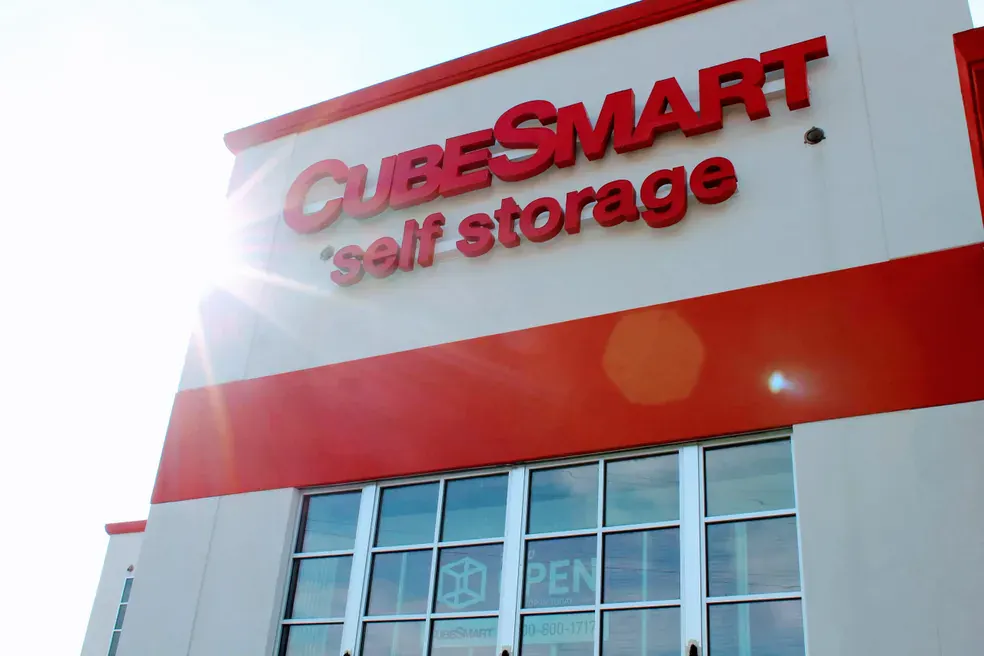
EIFS Contractor
On a commercial EIFS job, the details at windows, parapets and joints decide whether the wall performs for decades or leaks in its first winter.
Learn more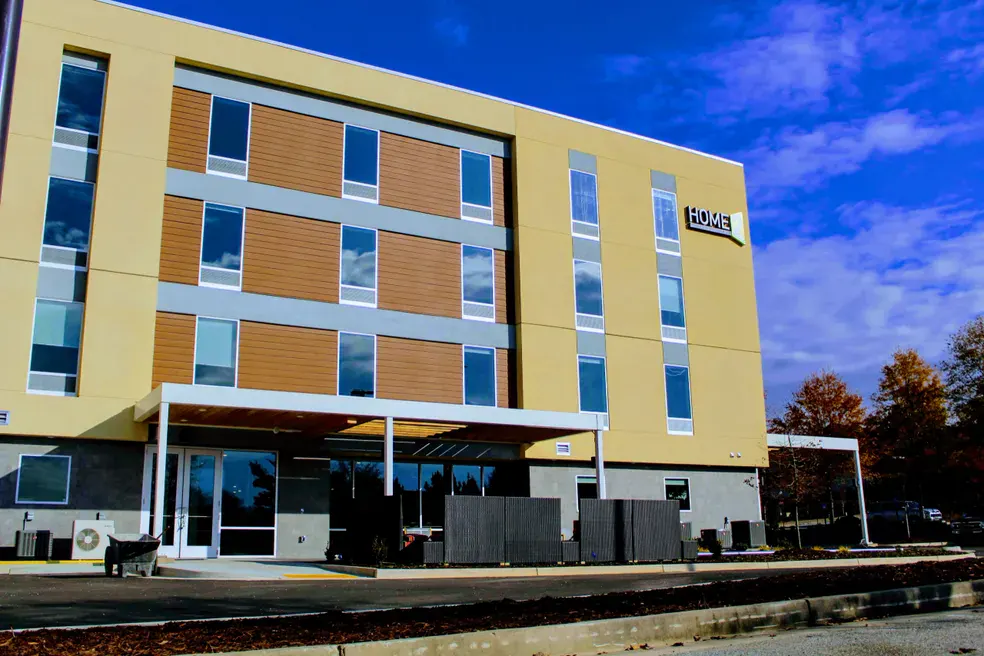
Exterior Insulation & Finish System
An Exterior Insulation and Finish System is cladding, insulation and drainage in one assembly.
Learn more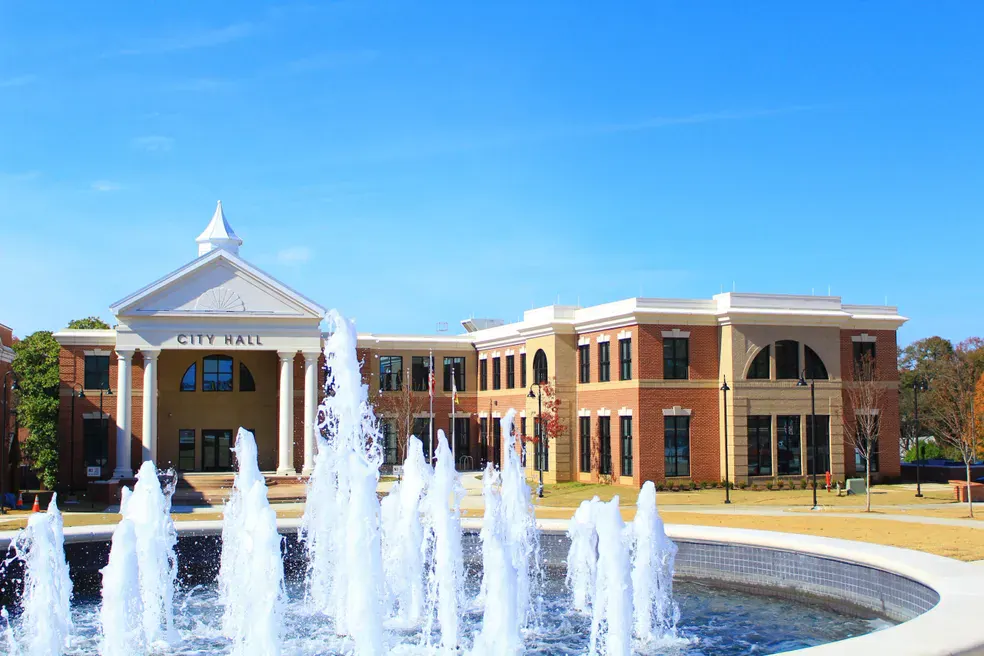
EIFS Finish System
The finish coat is the part of EIFS everyone sees and the part the sun works on every day.
Learn more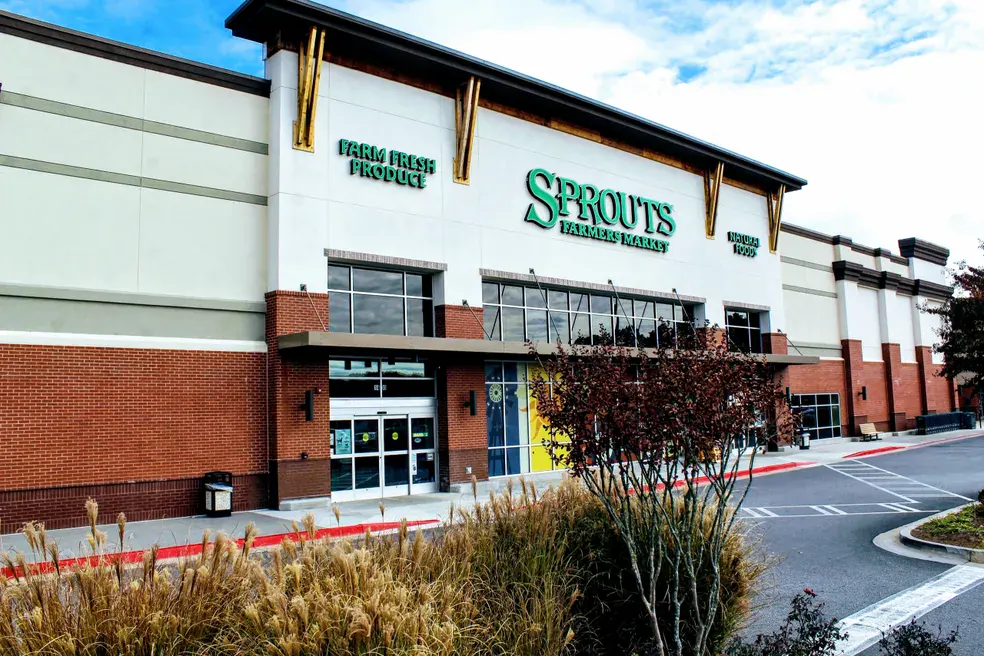
Dryvit
Many people call any foam-backed stucco "Dryvit," the way tissues get called by one brand name.
Learn more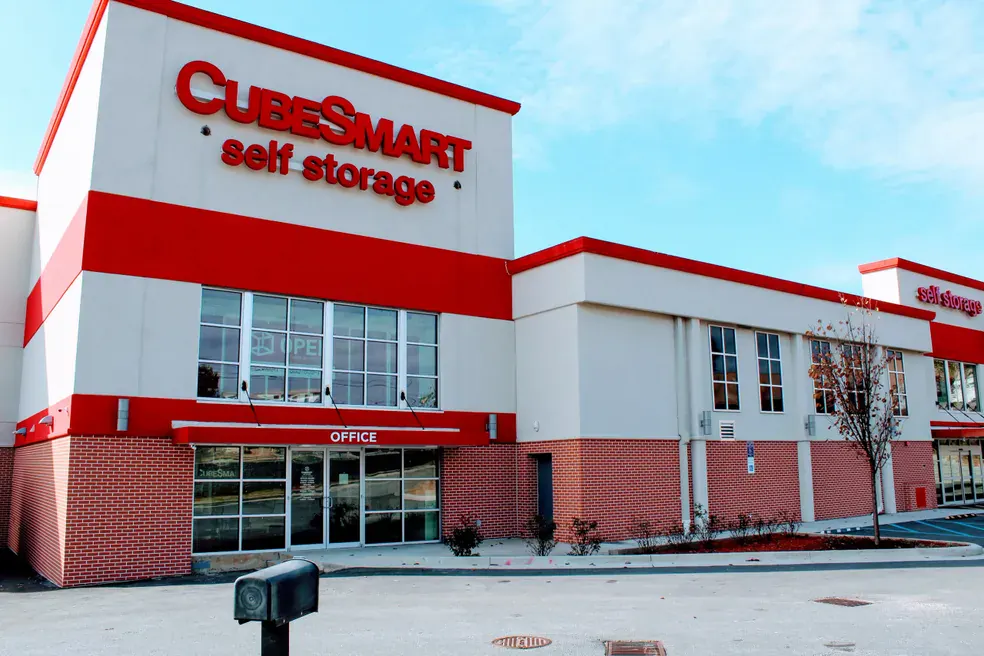
Dryvit Repair
Repairing Dryvit and other EIFS brands comes down to two things: stopping water at the windows and edges, and making the new finish disappear into the old.
Learn moreHow EIFS differs from traditional stucco
Both finishes can look alike, so owners are often unsure which one they have. Press firmly on the wall: EIFS gives slightly and sounds hollow when tapped, while three-coat portland cement stucco feels like masonry. The difference matters, because repair materials, crack behavior and the way water moves through each wall are not the same.
If you are weighing a cladding for a new building or an addition, we can walk you through both systems, and our hard coat stucco page covers the cement side in detail.
| Feature | EIFS | Hard coat |
|---|---|---|
| Thickness | Foam plus thin coats | Roughly an inch of cement |
| Insulation | Continuous foam layer | None in the cladding |
| Impact | Dents unless reinforced | Hard surface, can crack |
| Shapes | Foam trim cut easily | Formed or run in place |
| Repairs | EIFS materials only | Cement-based patching |
How we take on an EIFS job
Whether the wall is new, damaged or just tired, the work follows the same three stages.
Identify the system
We confirm whether the wall is barrier or drainable EIFS, check its terminations and take moisture readings where water usually gets in.
- Barrier or drainable
- Readings at openings
- Findings with photos
Build or repair
New walls are installed to the manufacturer’s specification; damaged areas are cut out and rebuilt with matching board, mesh and base coat.
- Board fastened flat
- Mesh lapped at seams
- Back-wrapped edges
Finish & seal
Finish is applied in a matched texture and color, and joints at windows and penetrations get backer rod and sealant.
- Texture matched
- Sealant to base coat
- Cleanup & walkthrough
Not sure what is on your walls?
We can tell you whether it is EIFS or stucco and what condition it is in.
What our customers say
Homeowners and long-time commercial clients on working with ASR.
“For over 10 years we have relied on ASR for all our stucco repair needs, but as well, for a number of other water intrusion related solutions. Their leadership are responsive and have trained their technicians well.”

“A quality honest contractor is hard to come by – I’d use ASR for anything I could.”
“Outstanding results and very professional in every aspect during the construction and painting work done. Excellent follow-up by the President to ensure satisfaction during and after the job was completed.”
EIFS questions
What owners, buyers and property managers ask us about EIFS.
Is EIFS the same as synthetic stucco?
Is EIFS a bad siding choice?
Can EIFS be repaired, or does it have to be replaced?
Do you work on EIFS for commercial buildings?
How often should EIFS be inspected?
Talk to us about your EIFS
Installation, repair or a second opinion: send a few details or call (888) 592-1304 and we will set up an on-site evaluation.
Request a consultation & estimate
Homeowners and commercial clients alike: tell us about the property and what you are seeing.
- Call(888) 592-1304
- E-mailinfo@advstucco.com
- Headquarters138 Mountain Brook Dr, Canton, GA 30115
- HoursMon–Fri 8:30 am – 5:30 pm
Send us your project details
Residential or commercial. We’ll get back to you to set up an evaluation.
We never share your information. Prefer to talk? Call (888) 592-1304.